An independent guide to French Polynesia
French Polynesia,
island by island.
Fifteen islands across five archipelagos, researched from primary sources. What each island is like, who it suits, how to get there, what it costs, and ten short articles explaining what you will see.
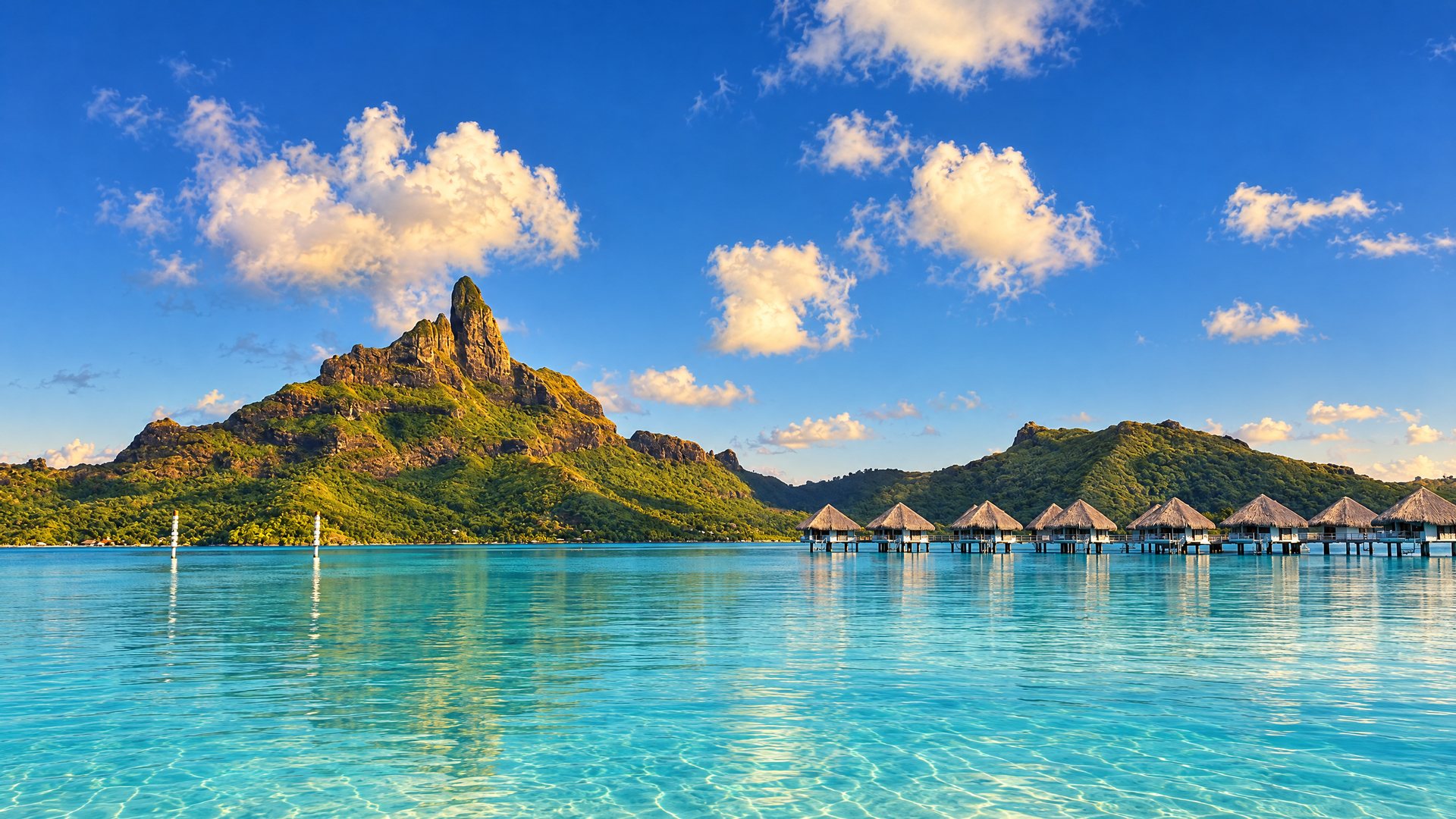
Mount Otemanu over the Bora Bora lagoon
French Polynesia is five archipelagos spread across an area of the Pacific about the size of Western Europe. The distances between the islands shape everything else: the weather, the flight schedules, what grows, and what arrives in the water each winter.
Choose by priority
Which island
suits your trip?
There is no best island. The right one depends on what you want to do. Choose a priority and we will name an island and explain why.
Your compass points to
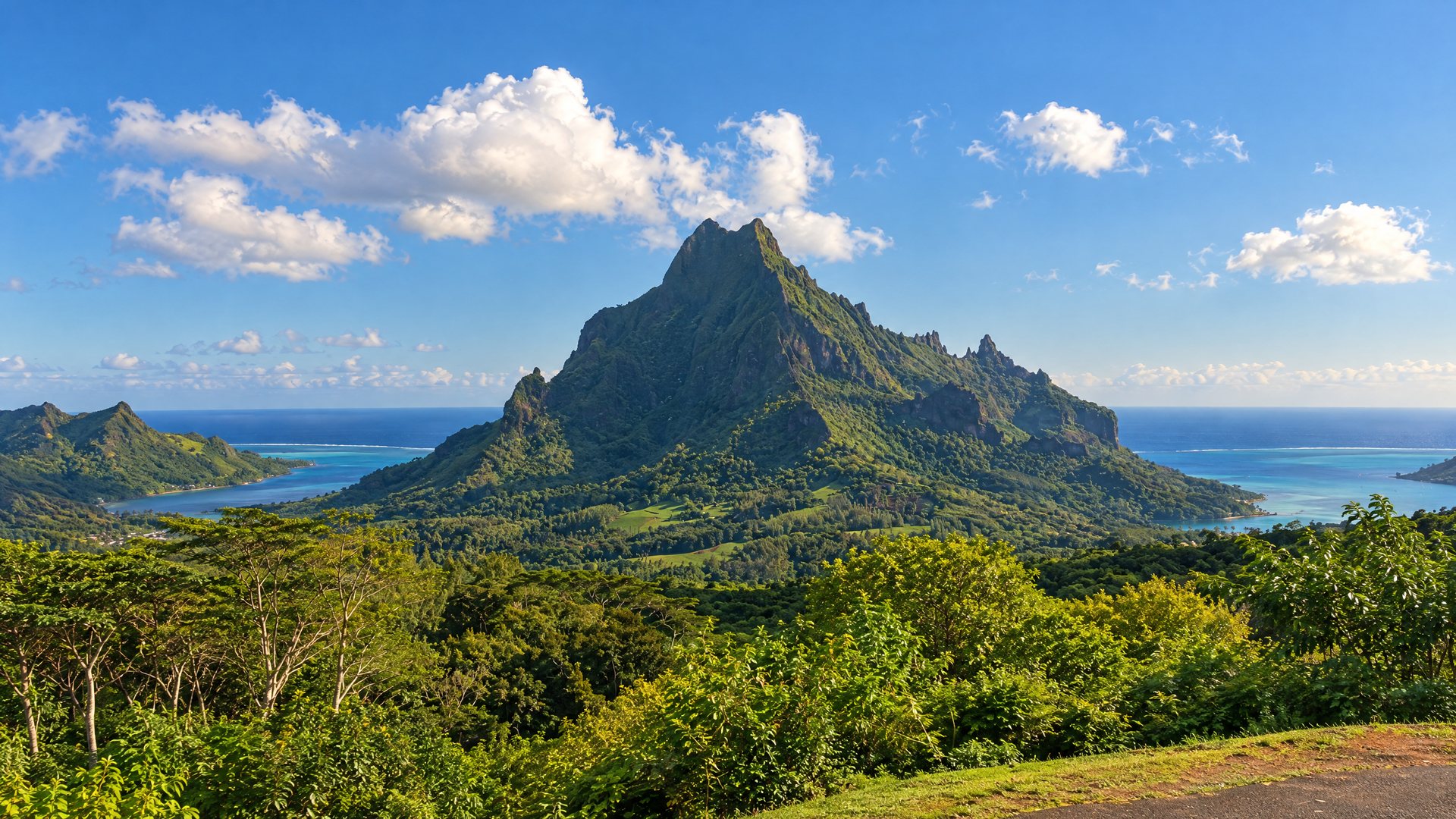
Moorea
Thirty minutes by ferry from the airport, a coast road you can drive in a day, rays and small sharks off a public beach, and humpback whales outside the reef from July to October. Hotels cost less than half of Bora Bora's.
Open MooreaAlso consider a night on Tahiti on arrival, and Bora Bora at the end.
The archipelagos
Five archipelagos.
Each archipelago has its own geology, climate and pace. The Society Islands have the lagoons and most of the hotels. The Tuamotu are atolls. The Marquesas have no reef. The Australs are cooler. The Gambier are far.
Archipelago
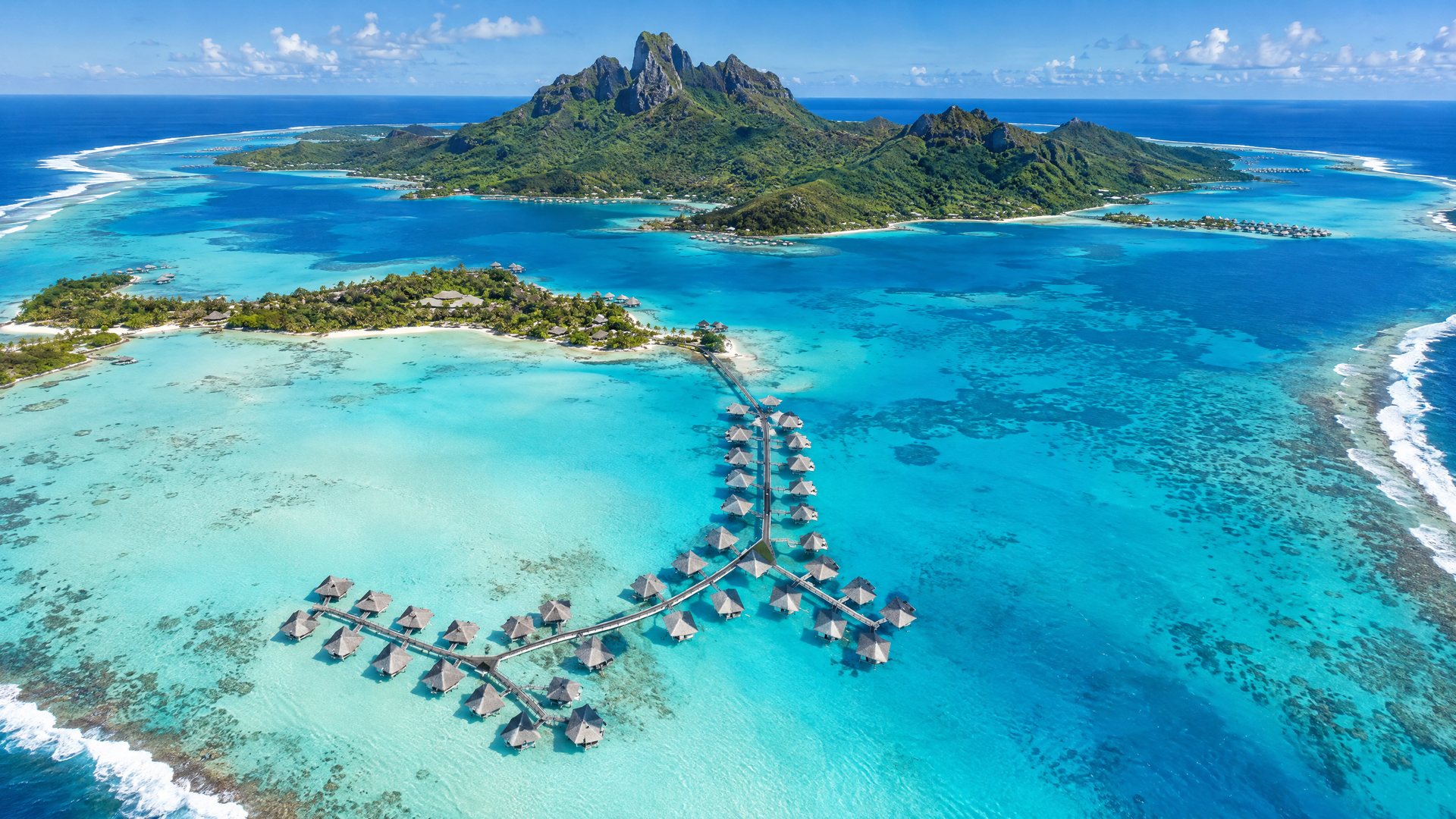
Society Islands
High volcanic islands with barrier reefs and lagoons. Tahiti, Moorea, Bora Bora and four quieter neighbours.
Archipelago
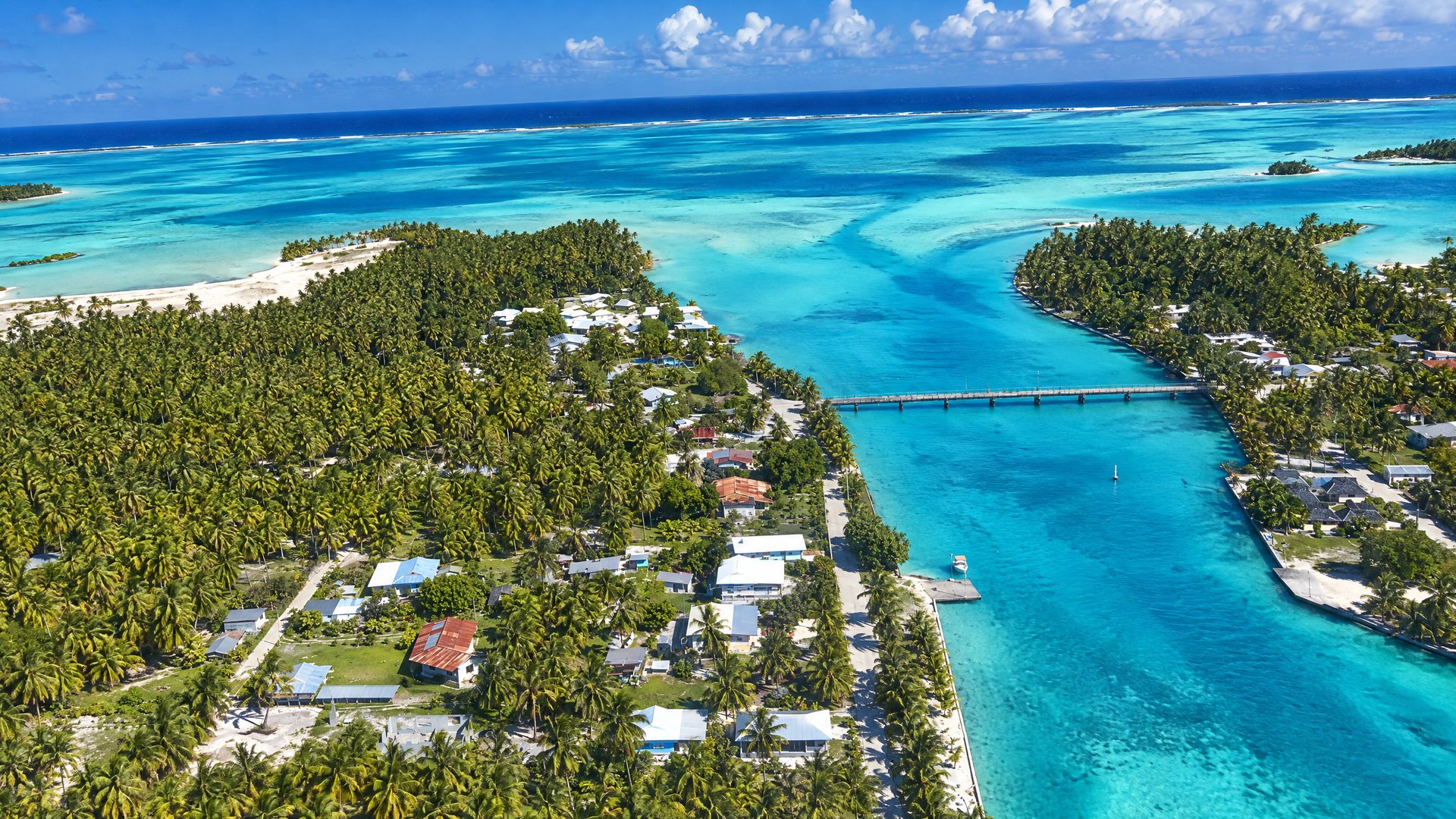
Tuamotu
About seventy-six atolls: rings of coral with a lagoon in the middle and no mountain.
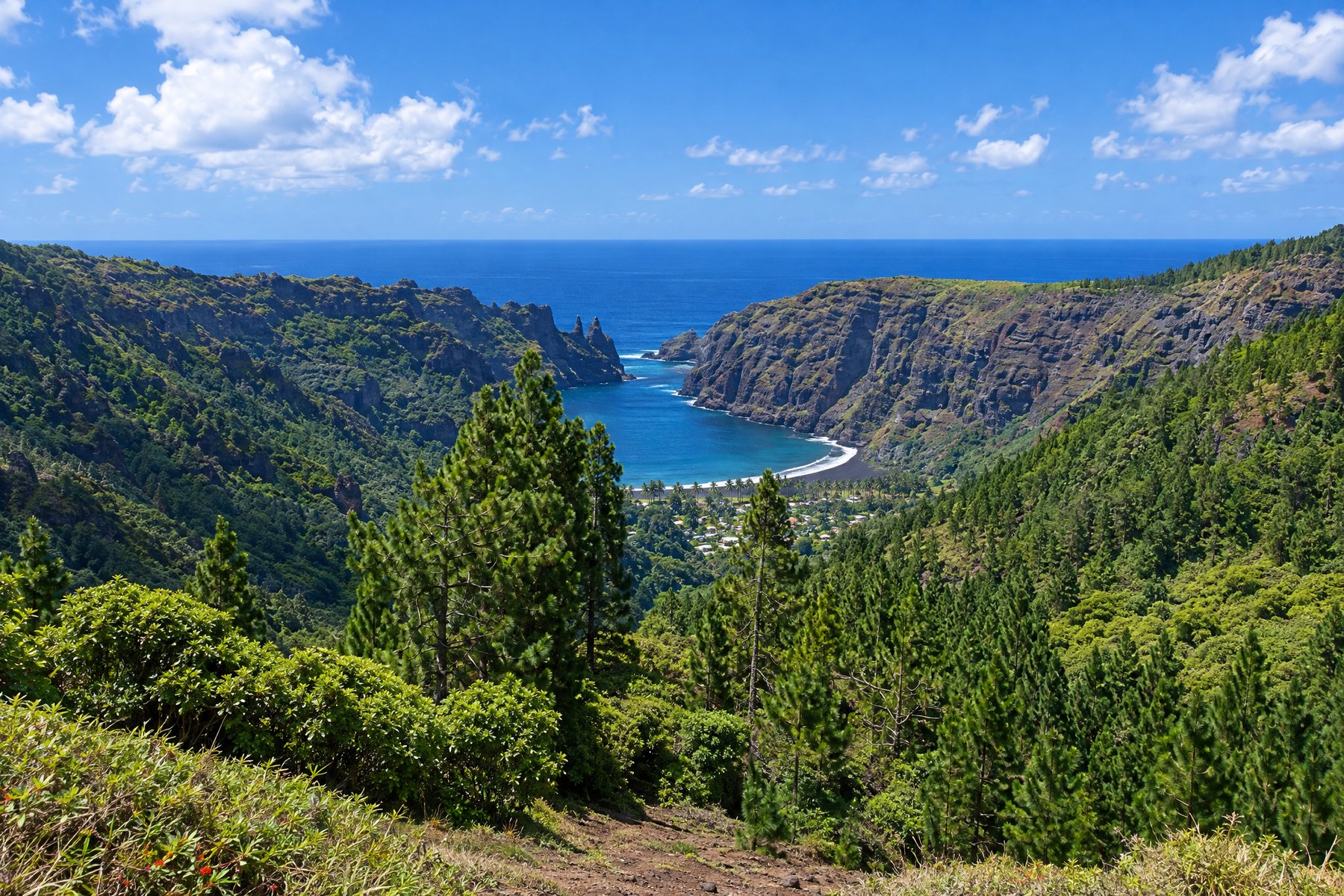
Archipelago
Marquesas
Steep volcanic islands with no barrier reef and no lagoon, 1,400 km north-east of Tahiti.
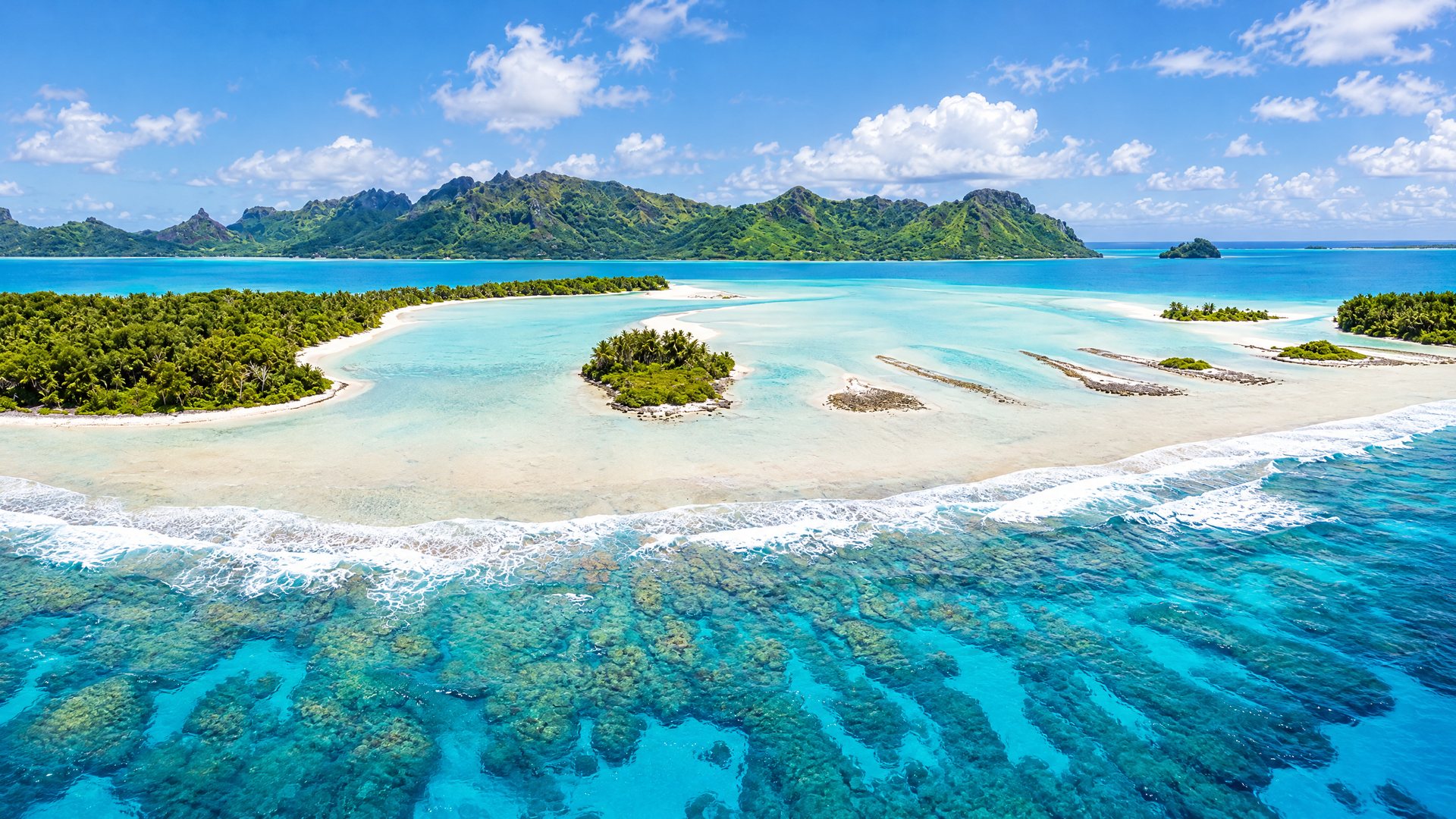
Archipelago
Australs
Cooler, farmed islands south of Tahiti, and the winter breeding ground of humpback whales.
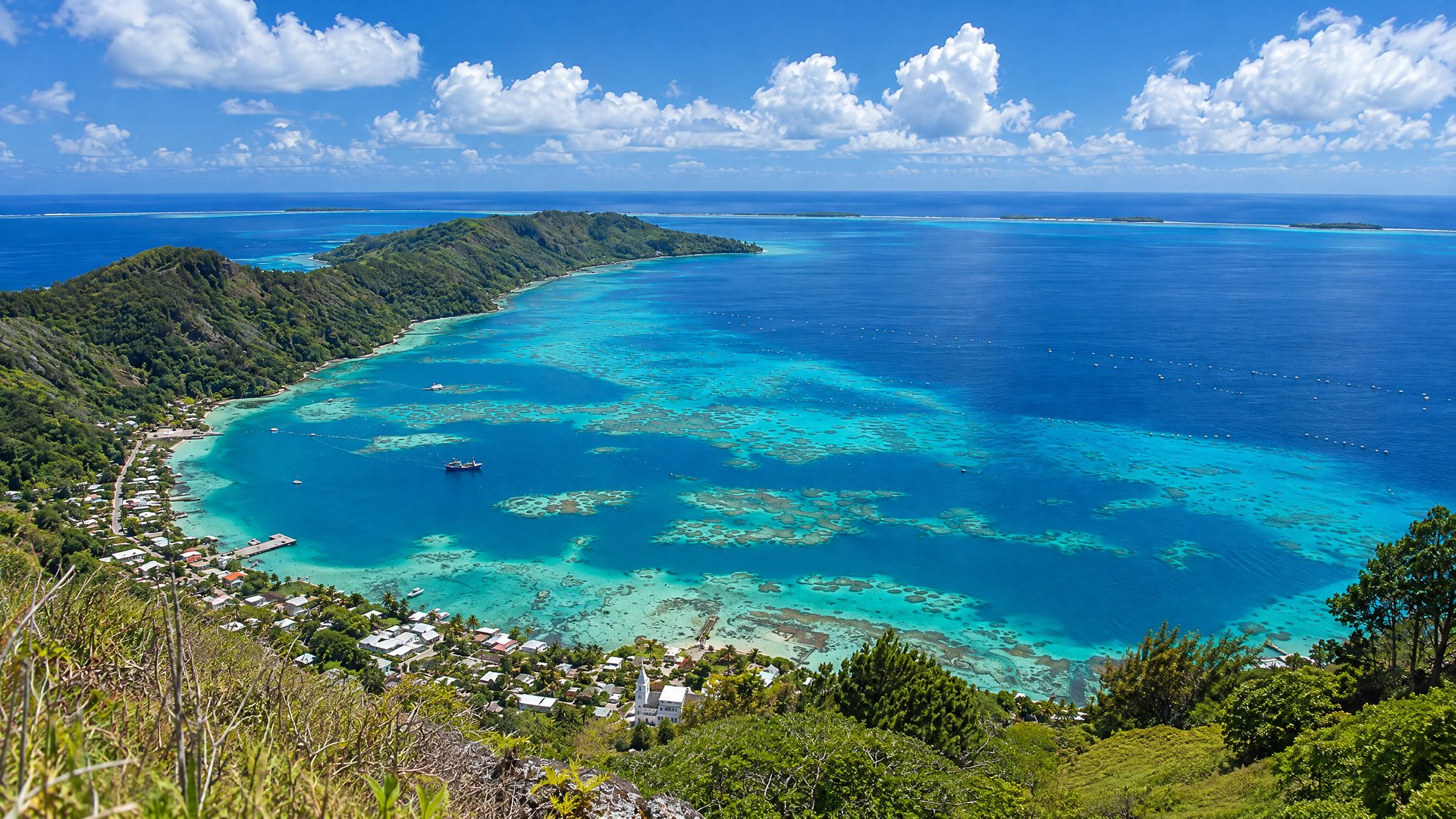
Archipelago
Gambier
One lagoon 1,650 km south-east of Tahiti, with a village, a cathedral and the pearl farms.
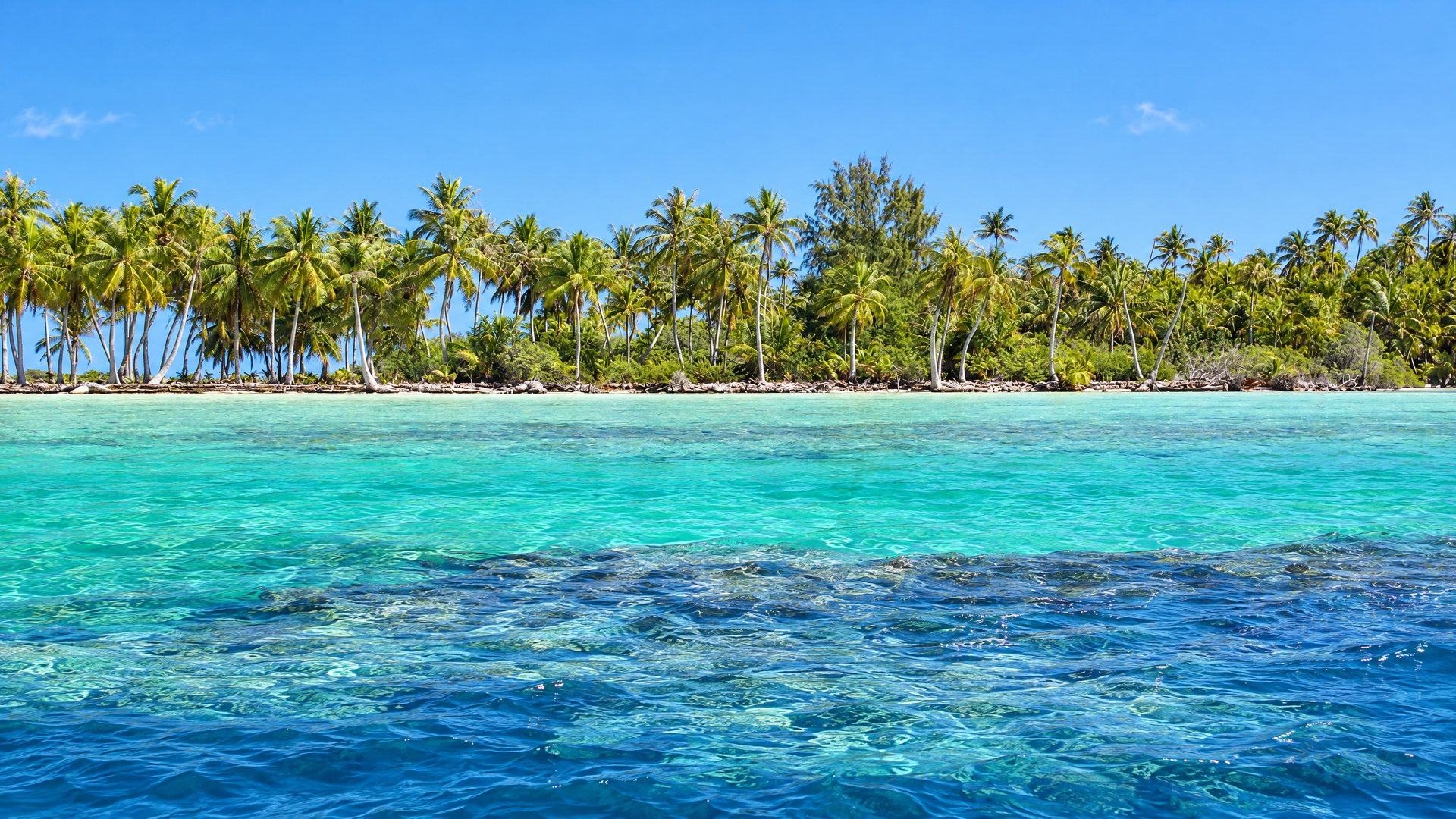
Explained
Ten things
explained.
Why the lagoon is blue. How an atoll forms. Why some sand is pink. The flower that grows on one mountain. The wall of sharks. Tupaia's chart. Ten short articles, each linked to the islands where you can see the thing itself.
Read the articlesThe islands
The six most visited.
Each island guide covers what the island is like, who it suits, what to do, where to stay, how to get there and what it costs.
Society Islands
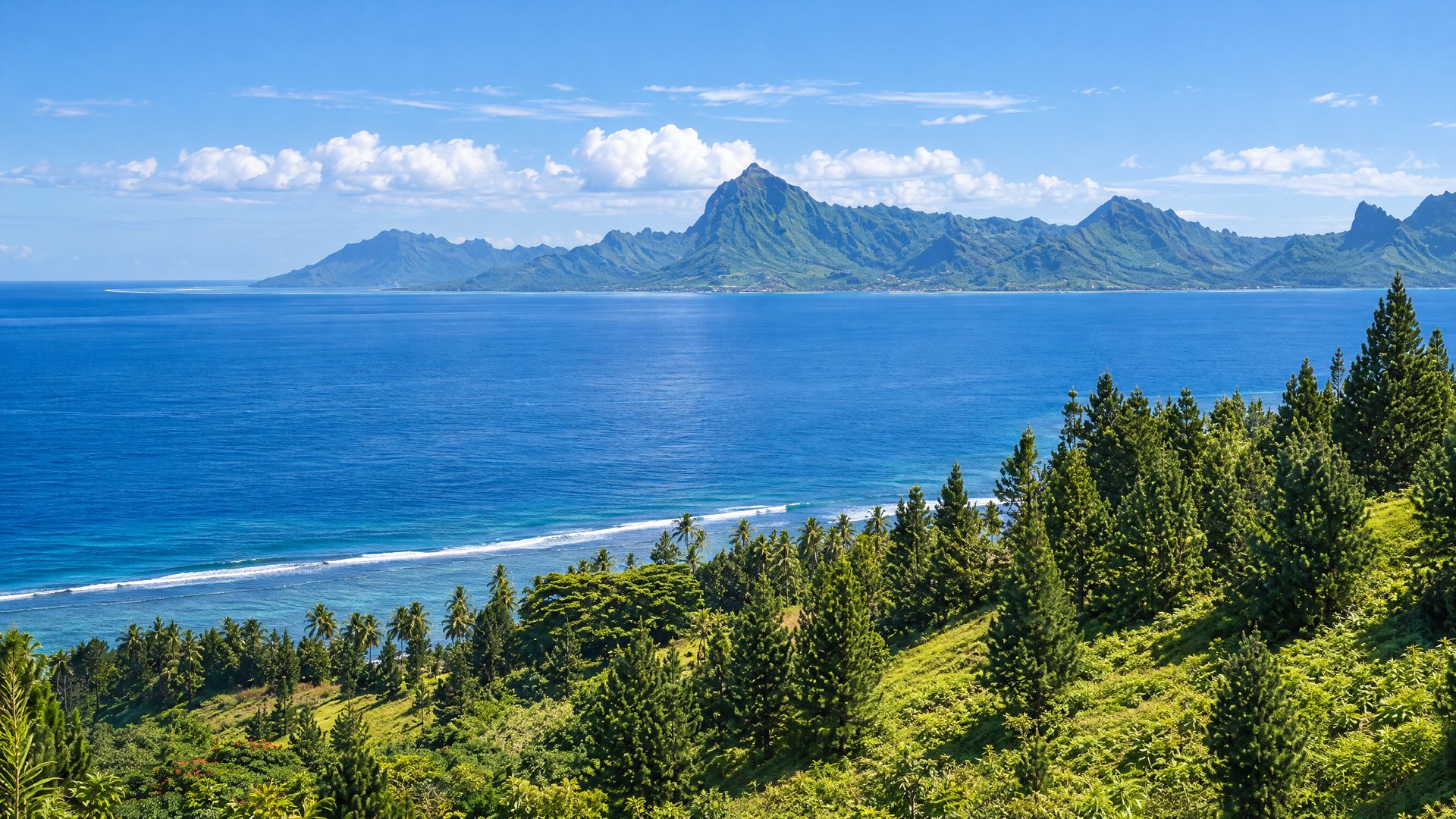
Tahiti
The capital island: Papeete's market, the museum, the interior valleys and Teahupo'o.
Society Islands
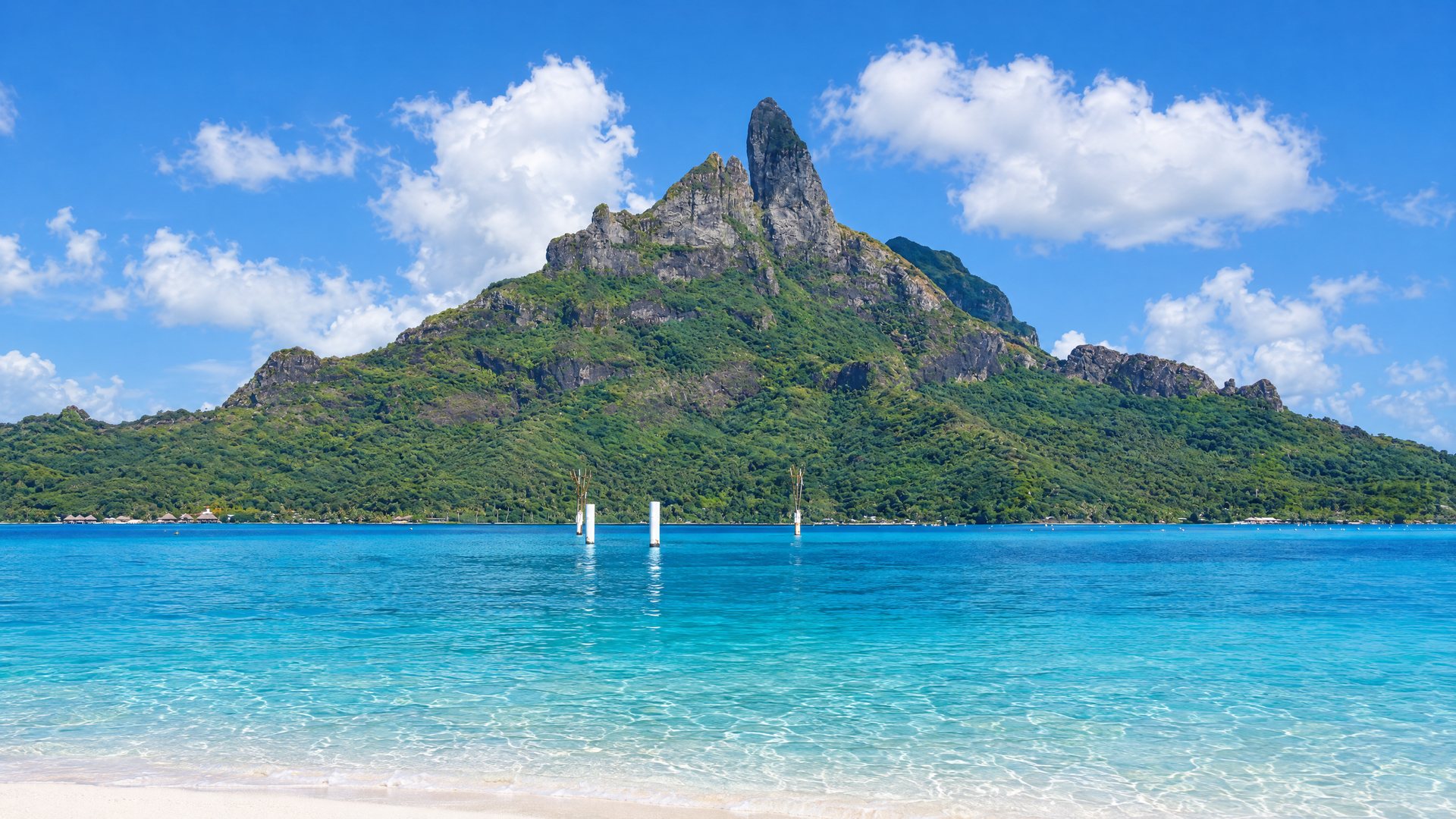
Moorea
Thirty minutes from Tahiti by ferry. Rays off the beaches, humpback whales outside the reef from July.
Society Islands
Bora Bora
The widest lagoon in the Society Islands, the overwater resorts, and the highest hotel prices in the country.
Tuamotu
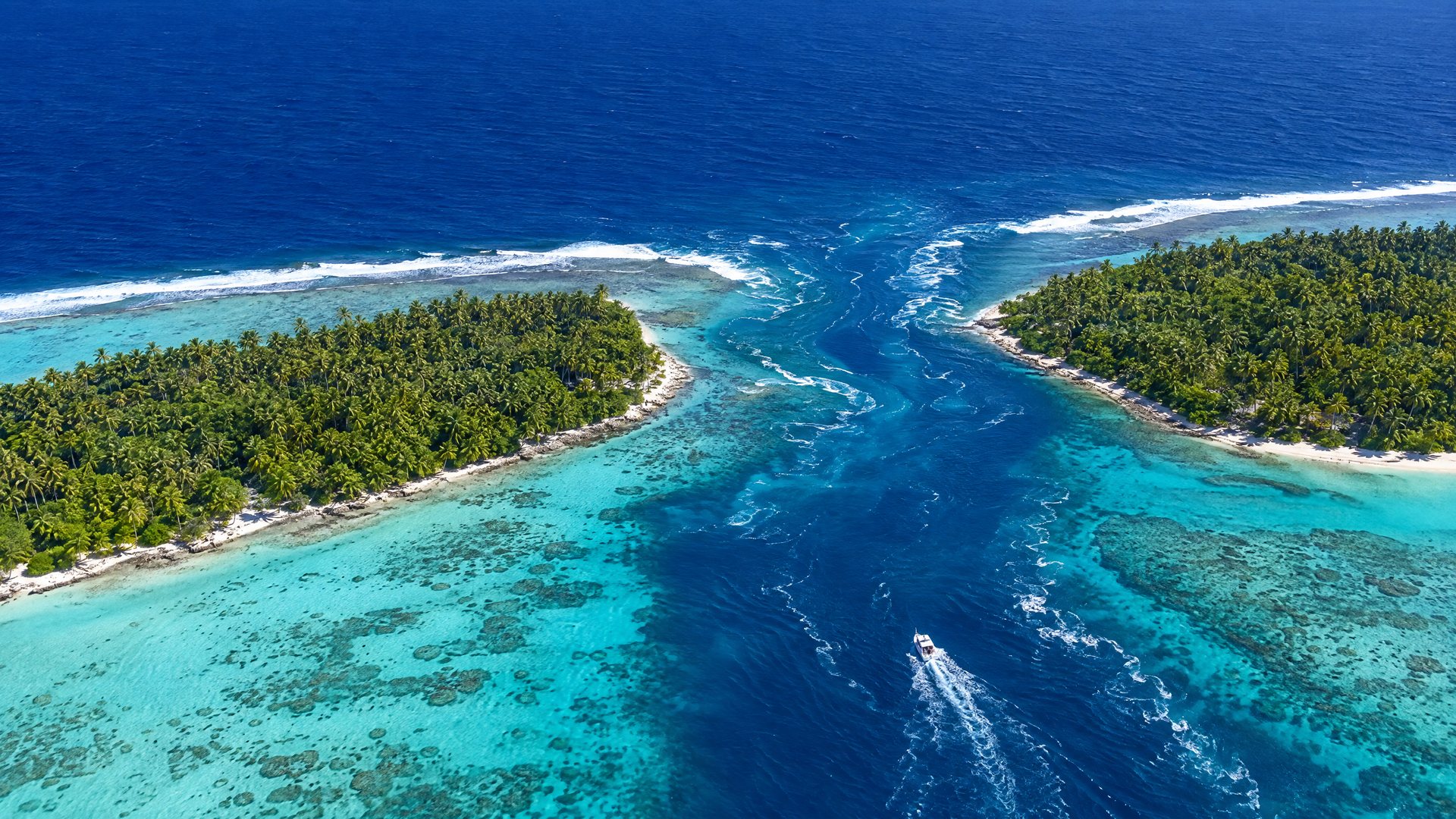
Rangiroa
One of the largest atolls in the world. Pass diving, resident dolphins, a pearl farm and a vineyard.
Tuamotu
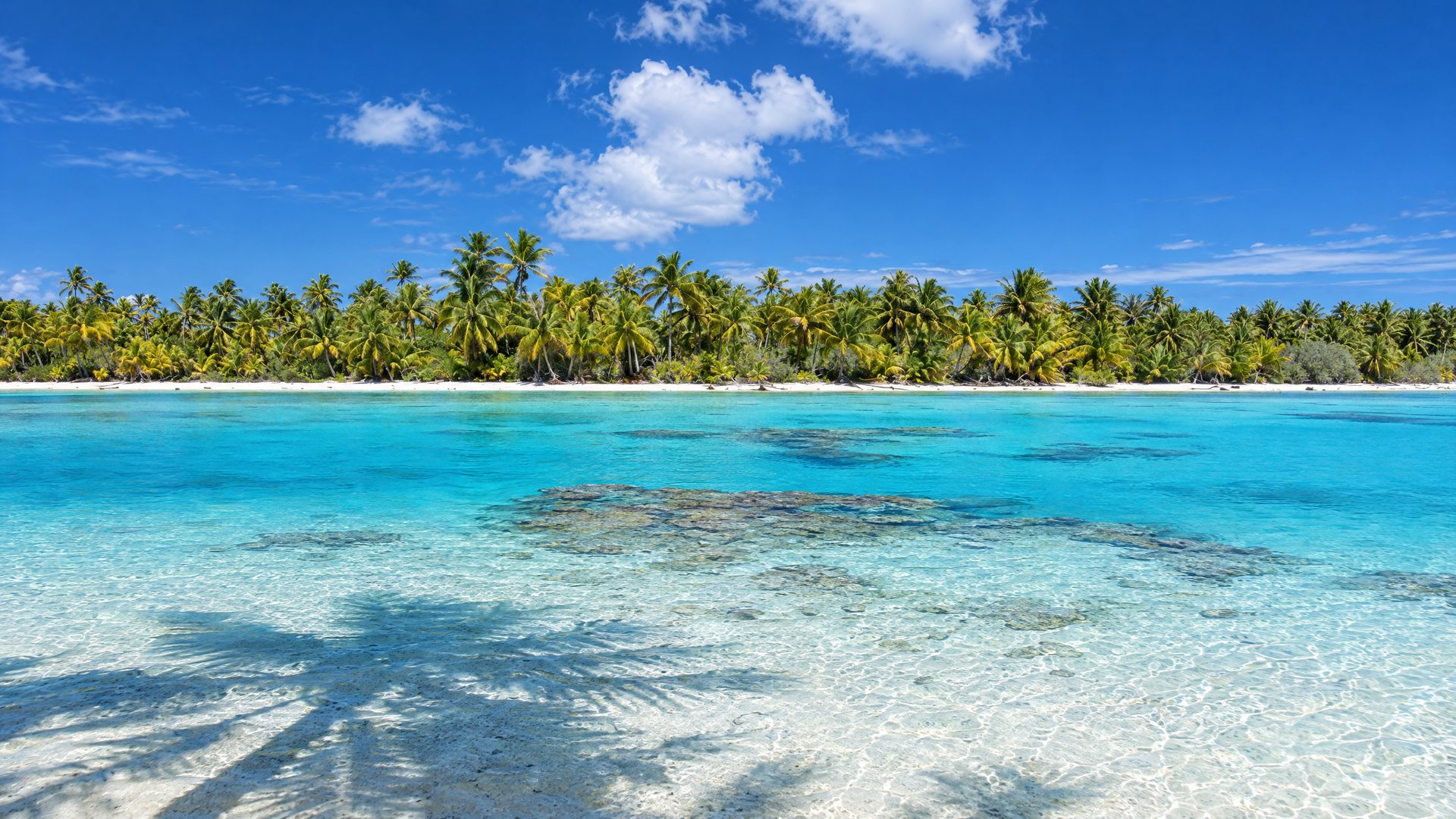
Fakarava
A UNESCO biosphere reserve with several hundred grey reef sharks in its south pass.
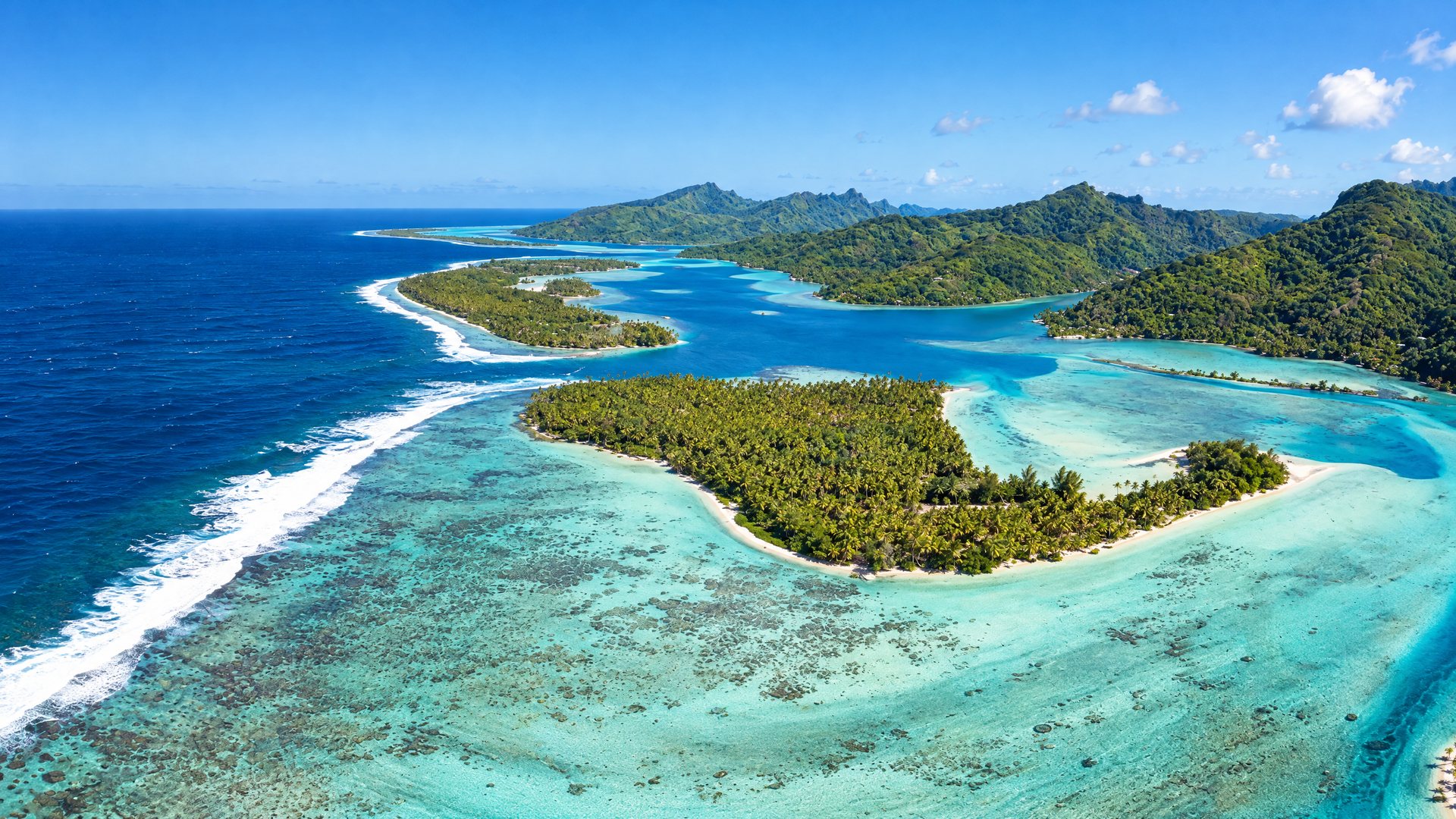
Society Islands
Huahine
Two islands inside one reef, restored marae beside a lake, and family pensions instead of resorts.
The other nine.
- Raiatea: Taputapuātea, the World Heritage marae, and the base for most sailing charters.→
- Taha'a: Vanilla plantations, pearl farms, two rum distilleries and motu resorts facing Bora Bora.→
- Maupiti: A small high island in a wide lagoon. Family pensions only: no hotels, no car hire, no bank.→
- Tikehau: A small atoll with pink sand, one village, one pass and a manta cleaning station inside the lagoon.→
- Nuku Hiva: The largest Marquesan island. No reef, no lagoon; valleys reached by boat and a 350-metre waterfall.→
- Hiva Oa: Gauguin's and Brel's graves at Atuona, and the tallest ancient tiki in French Polynesia at Puamau.→
- Rurutu: Limestone cliffs with caves, taro valleys, and humpback whales close to shore from July to October.→
- Tubuai: A farming island with a wide, windy lagoon, eight motu and the site of the Bounty mutineers' fort.→
- Mangareva: Two flights a week, a coral-stone cathedral, and the lagoon that grows a quarter of the country's pearls.→
The guides
Experiences, stays,
planning, culture.
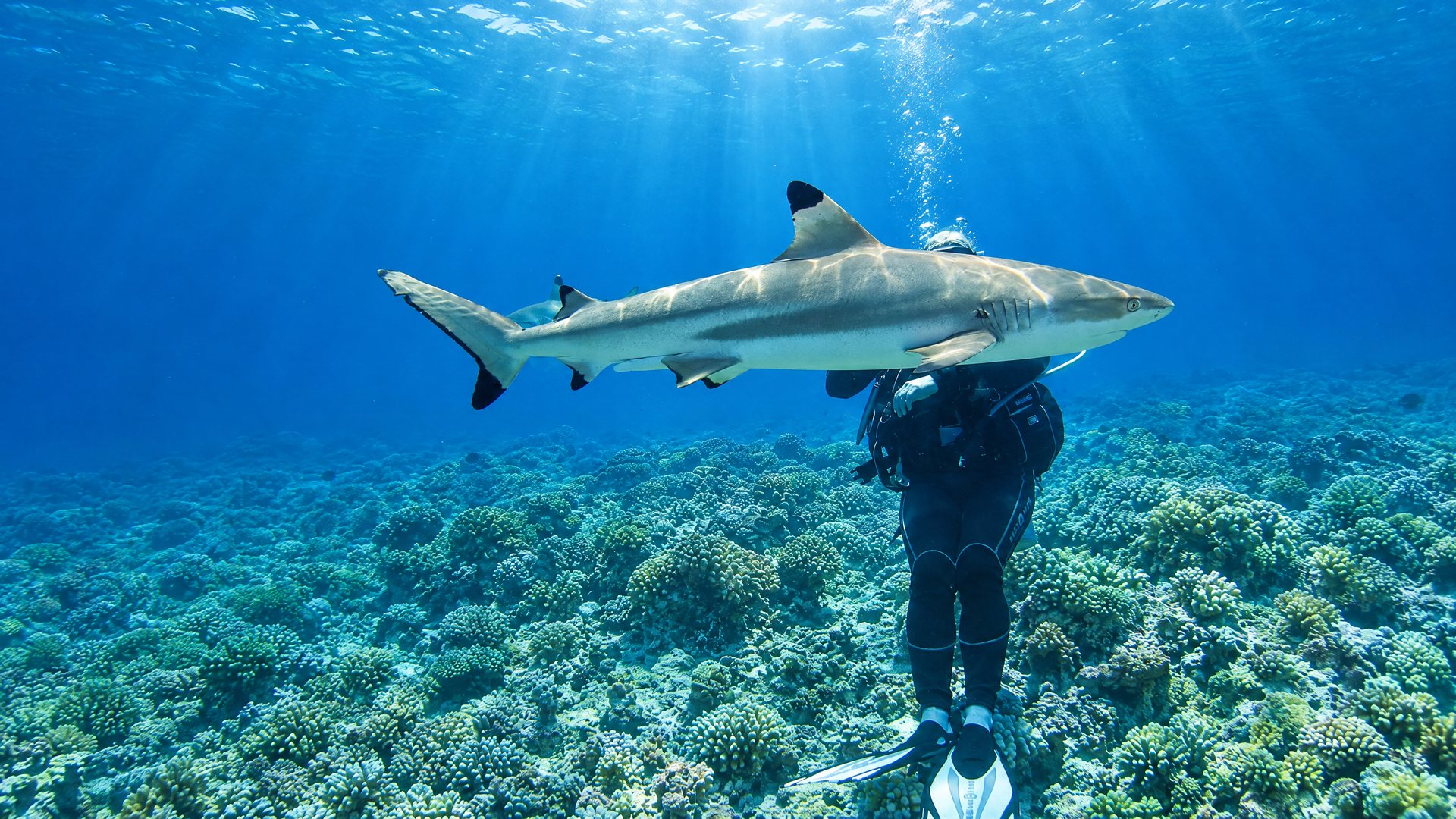
Experiences
Experiences
Diving the passes, snorkelling with rays and mantas, swimming with whales, hiking the ridges, surfing.
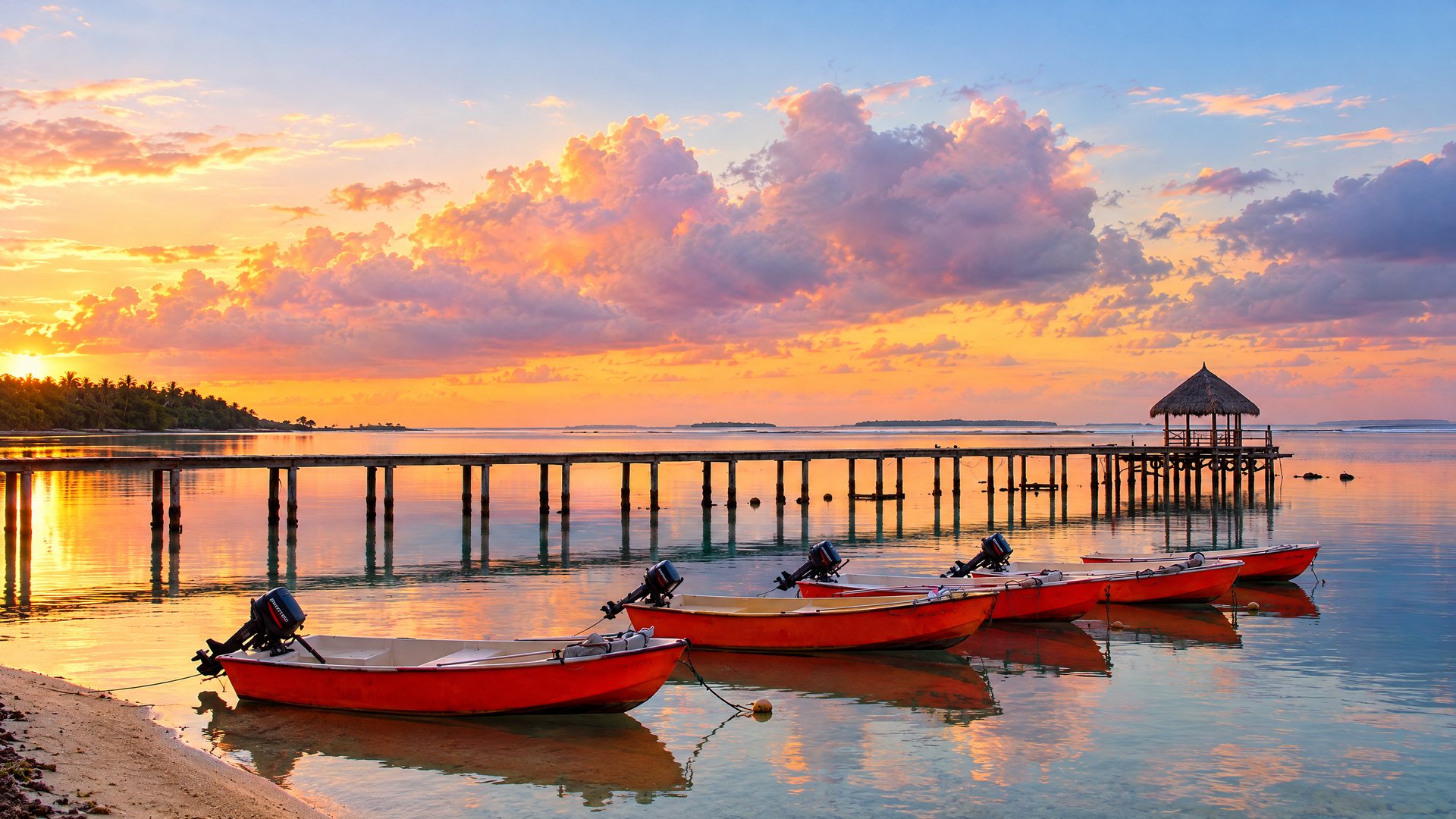
Stay
Where to stay
Overwater bungalows, family pensions, and which islands work with children.
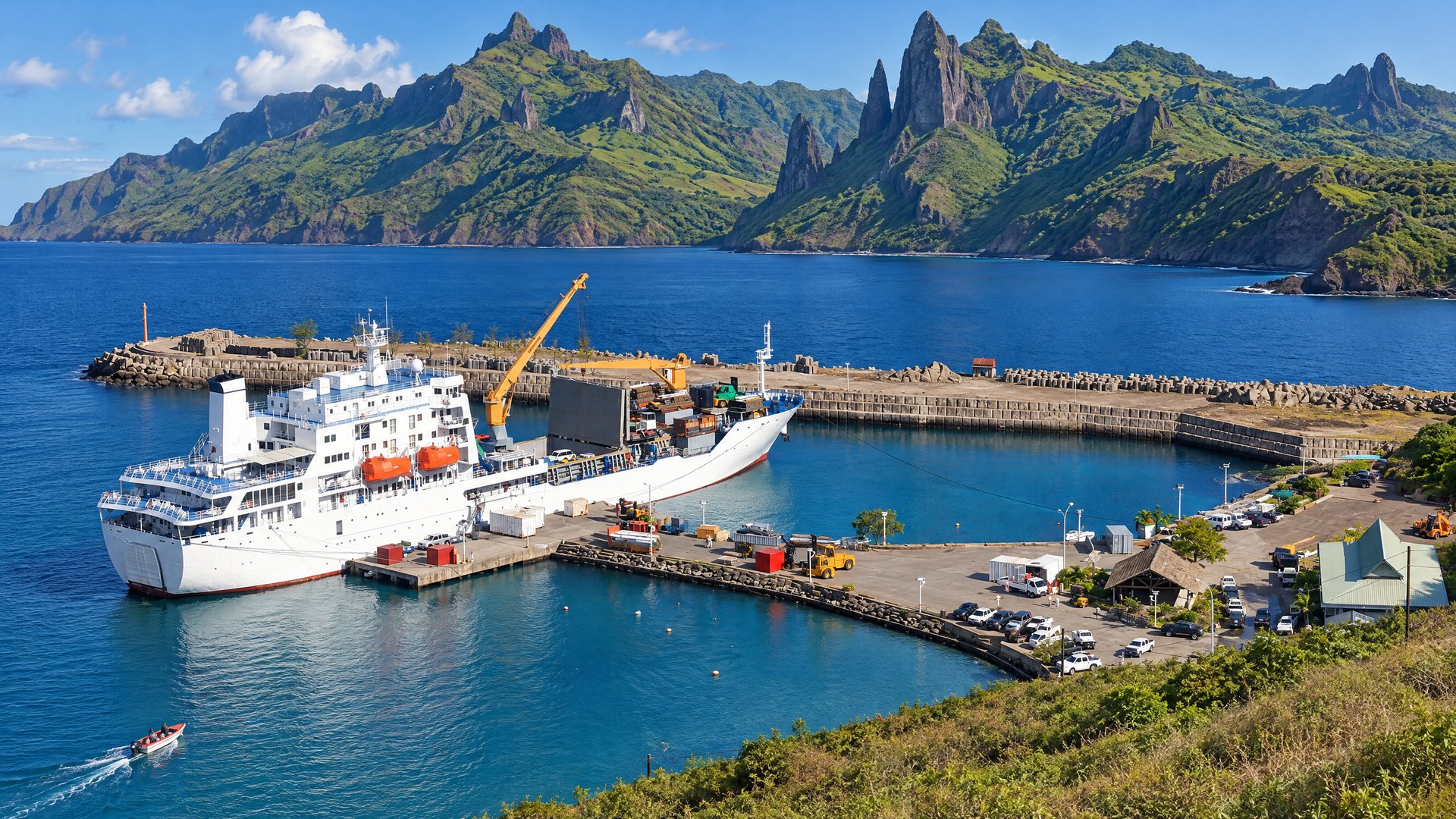
Plan
Planning
When to go, how to get between islands, four itineraries, and what it costs.
Culture
Culture
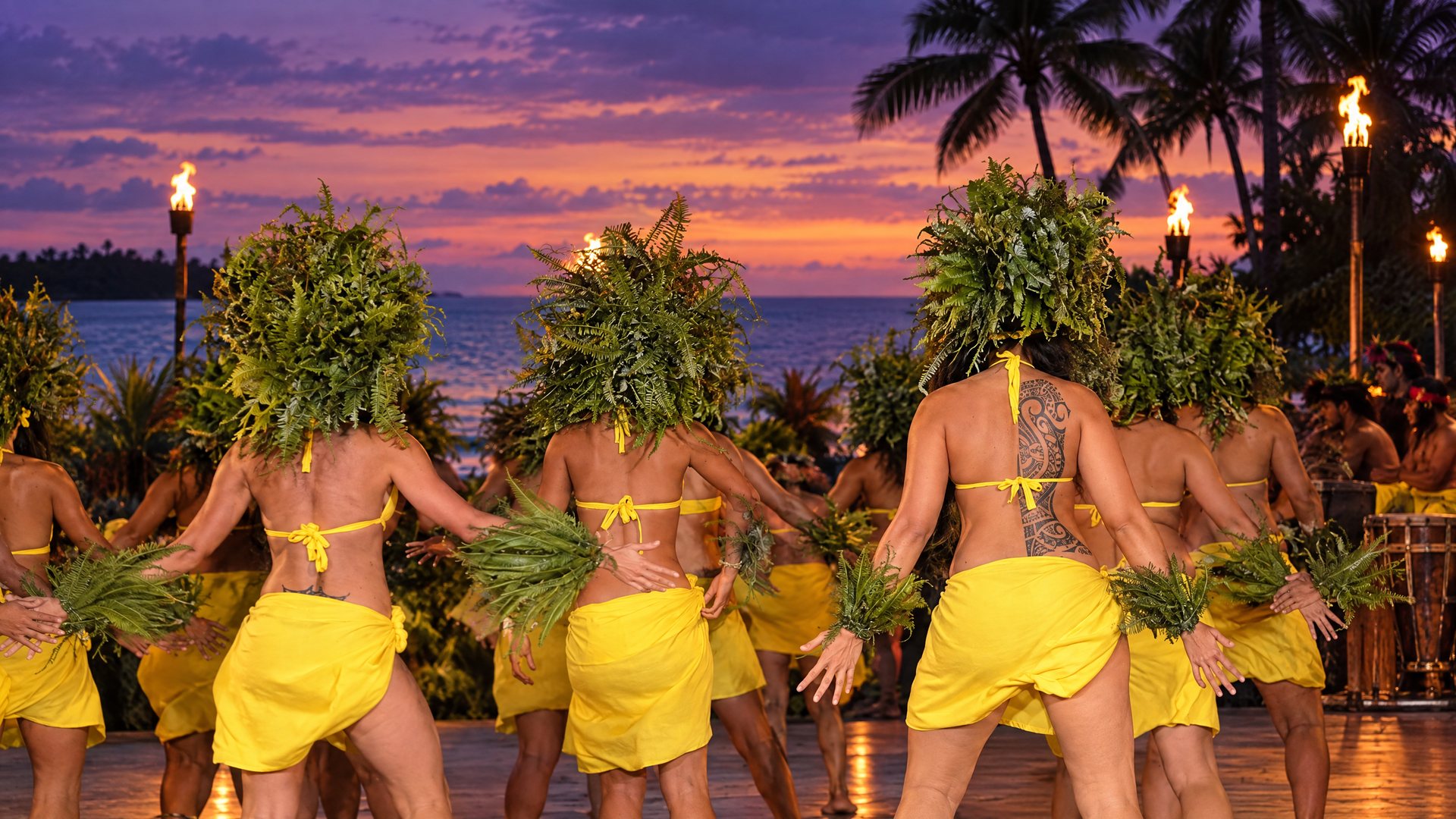
Navigation, language, marae, arts, food, history and pearls.
Explained
Four of the
articles.
Explained
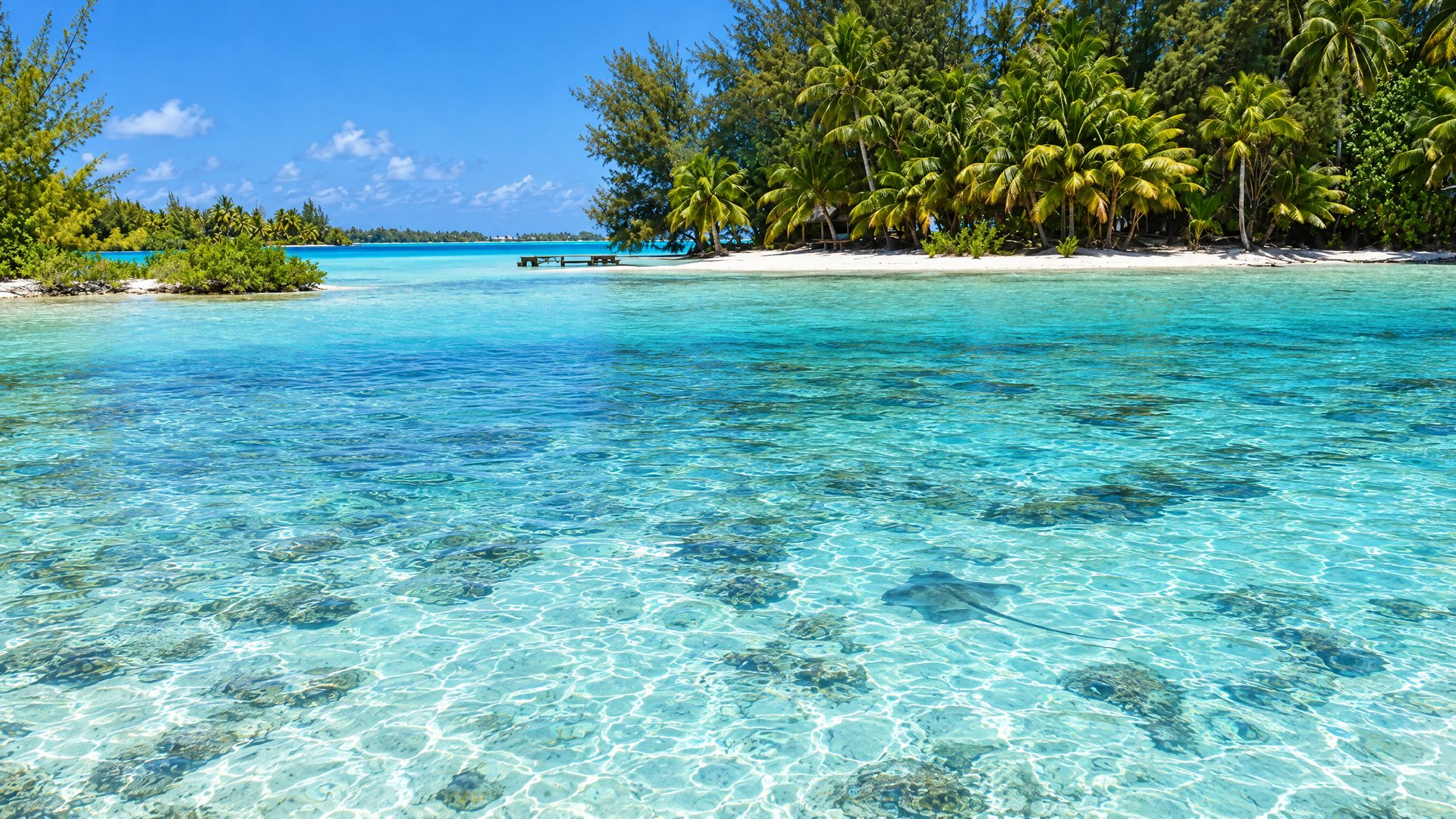
Why the lagoon is blue
White coral sand, shallow water and the way seawater absorbs red light.
Read the article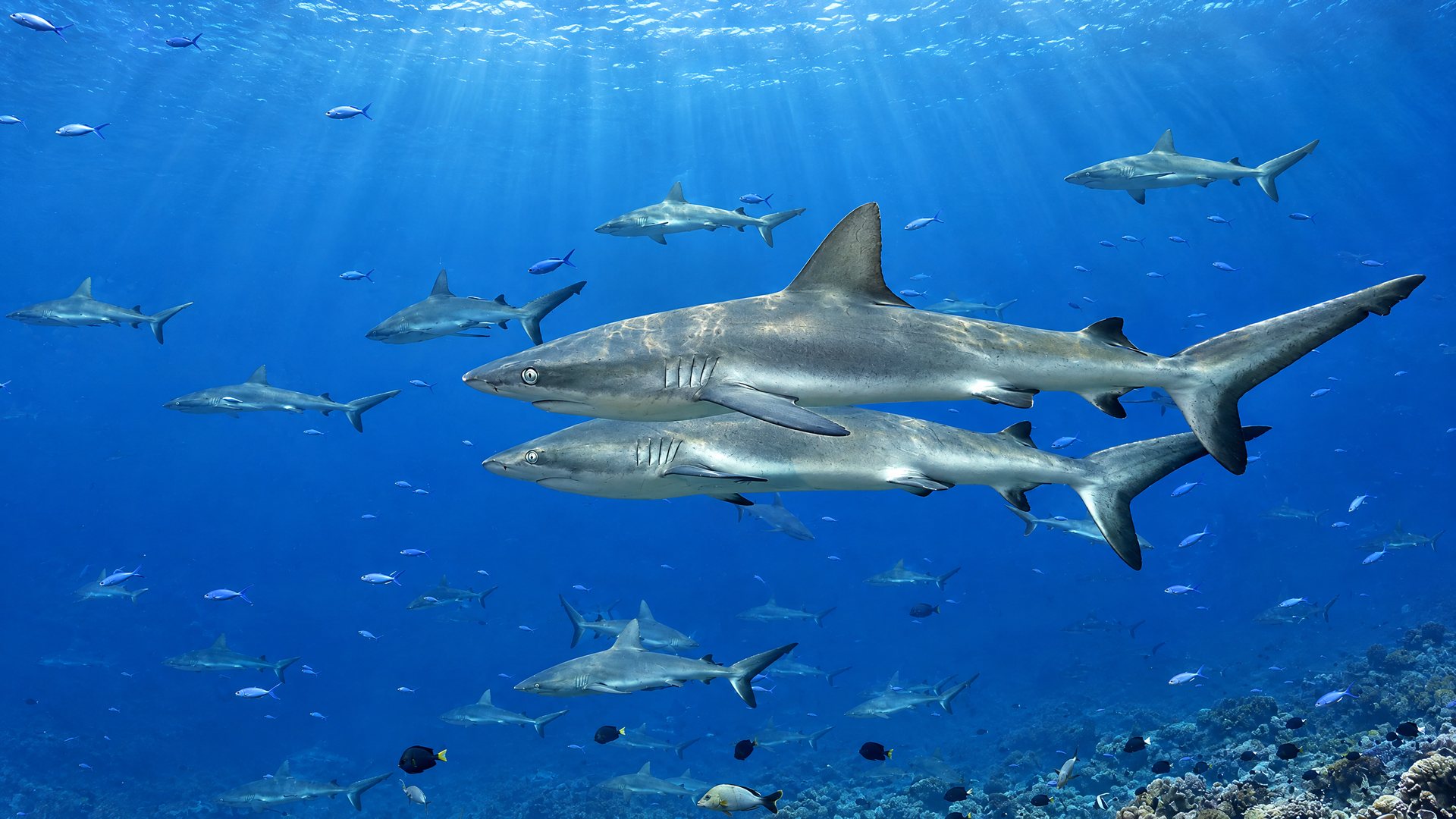
Explained
The wall of sharks
Several hundred grey reef sharks in Fakarava's south pass, and the grouper spawning that feeds them.
Read the article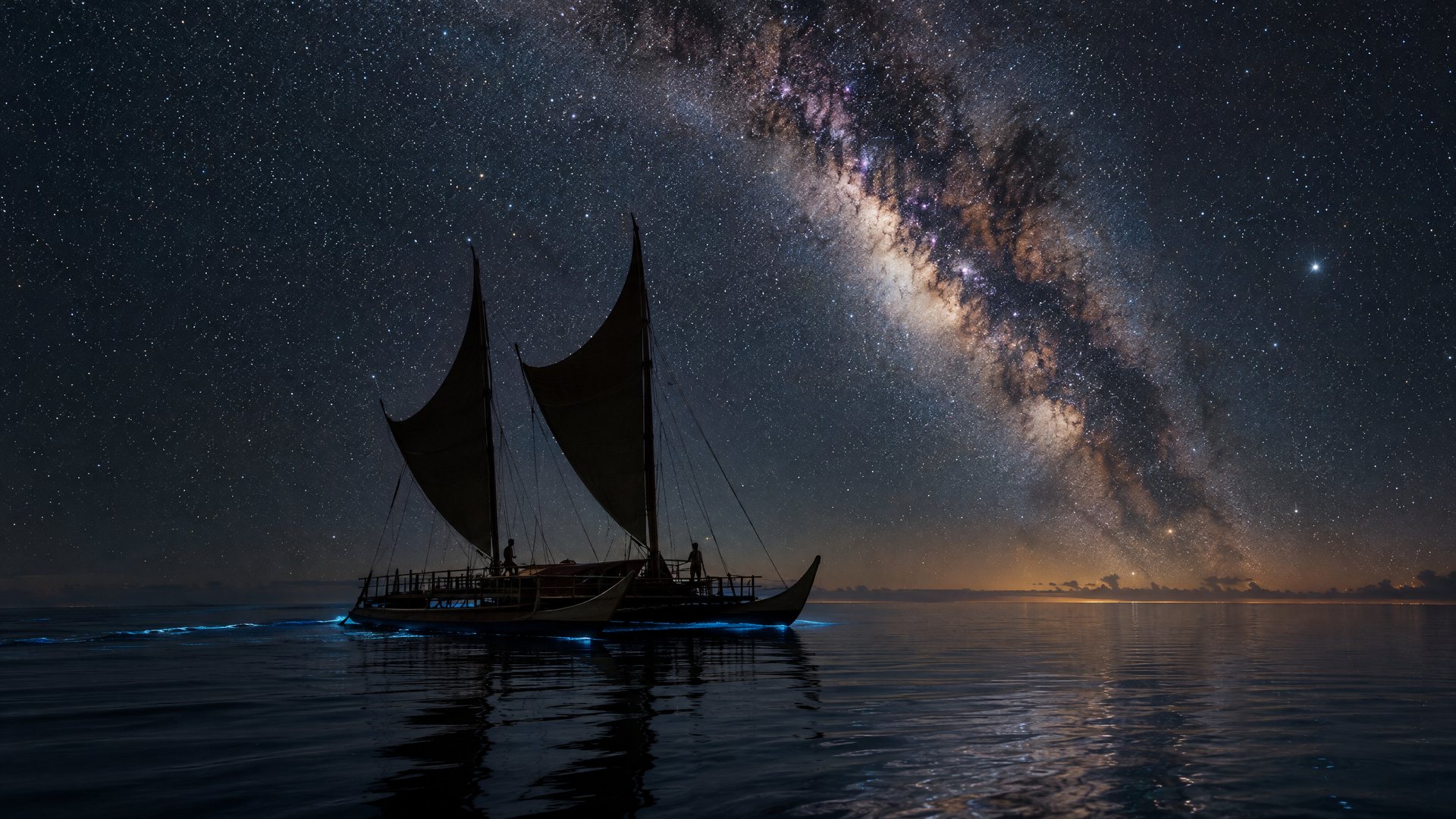
Explained
Tupaia's chart
A navigator from Raiatea drew a chart of more than seventy islands for Captain Cook in 1769.
Read the article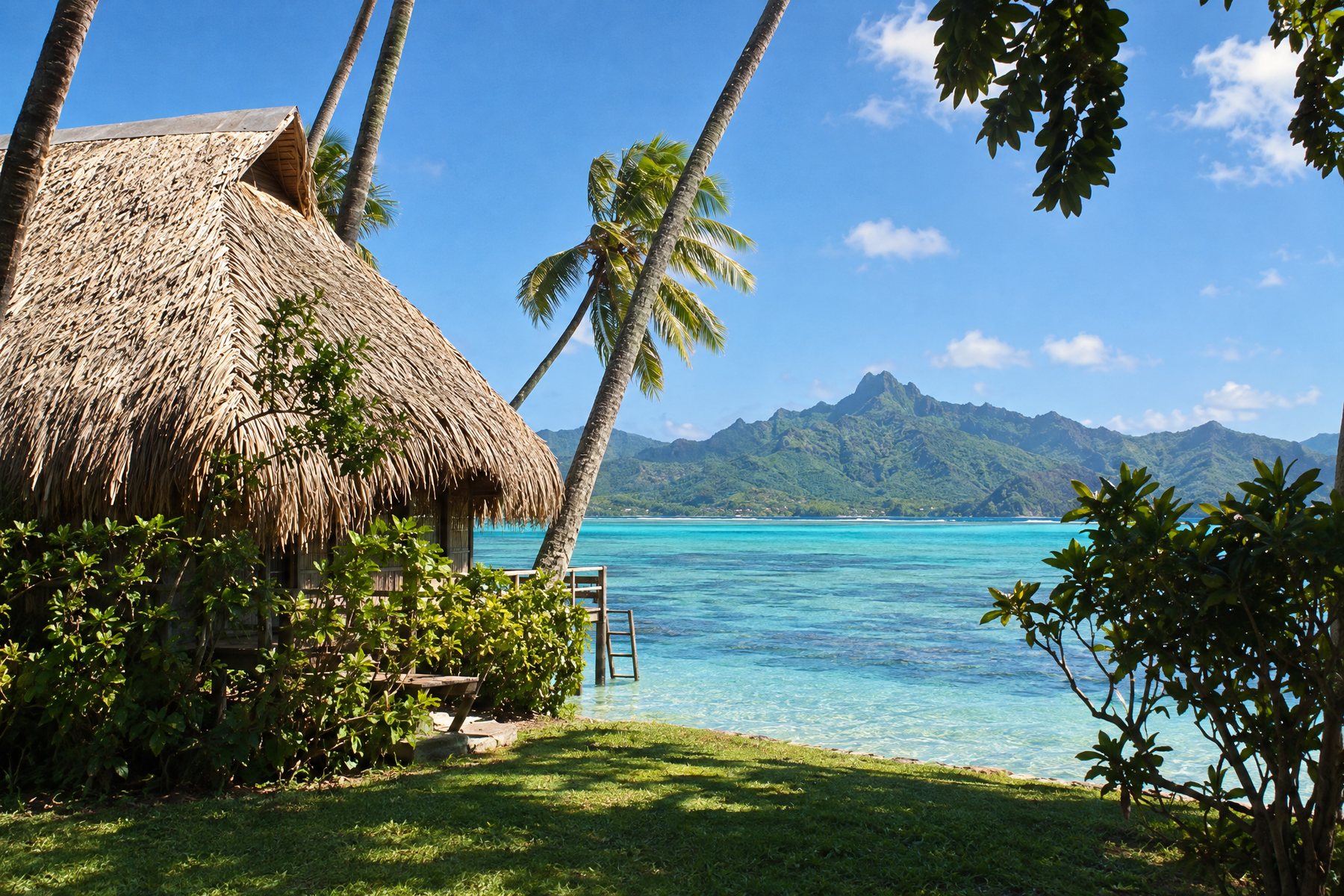
Explained
The first overwater bungalow
Built on Raiatea in 1967 by three Californians whose hotel had no beach.
Read the article