Experiences · Diving
Pass diving.
Atoll lagoons breathe through their passes. On the incoming tide, divers ride clear ocean water through the gate with sharks stacked in the current. How it works, where, and what it costs.
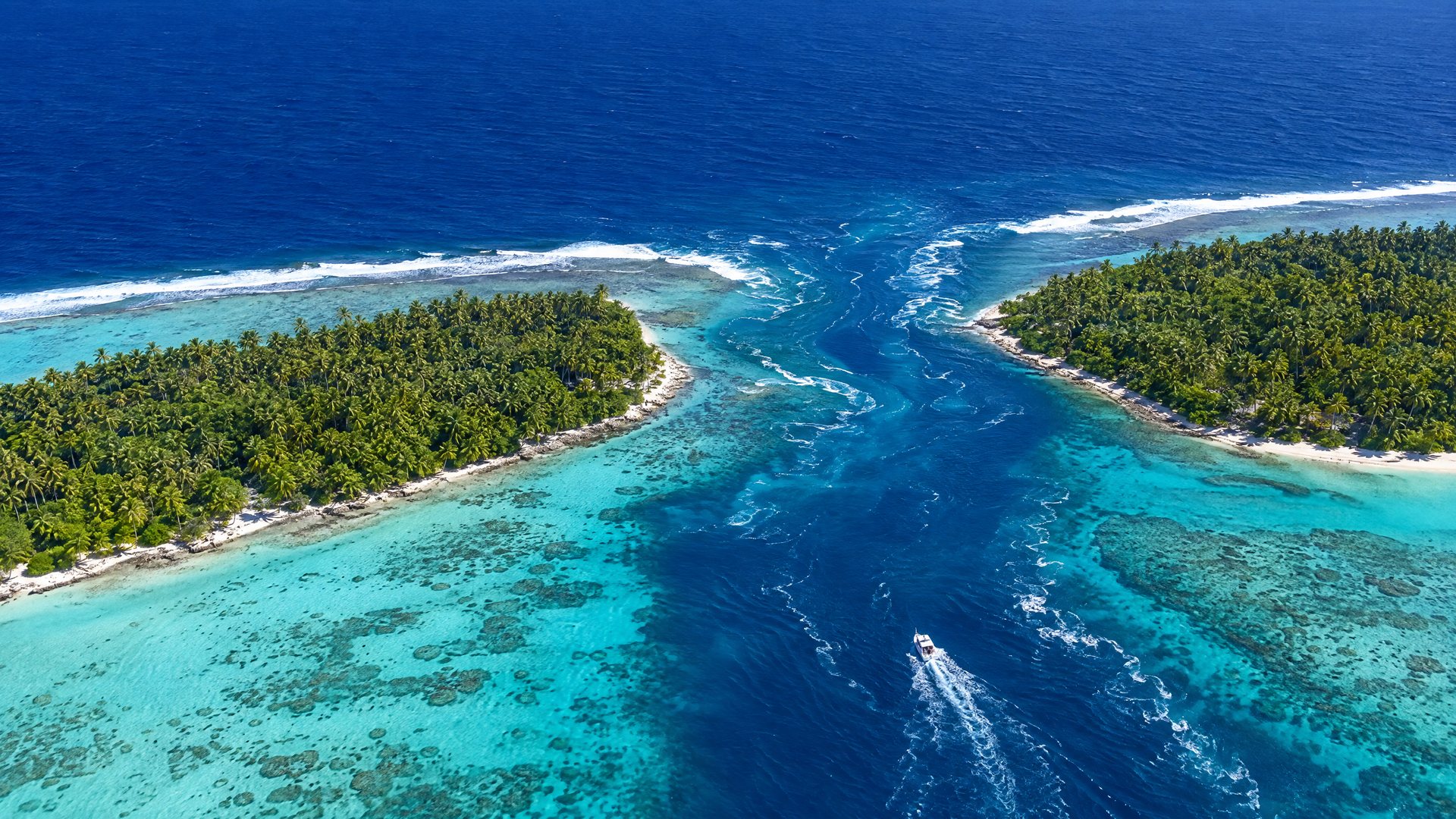
Tiputa pass, Rangiroa
Every dive here is guided. Operators run on tide tables and know their passes well. Bring certification cards and proof of recent dives; the deep and high-current sites require advanced levels. The whole exclusive economic zone has been a marine mammal sanctuary since 2002 and shark fishing has been banned since 2006, which is why the biomass surprises even experienced divers.
01 · How it works
The tide makes
the dive.
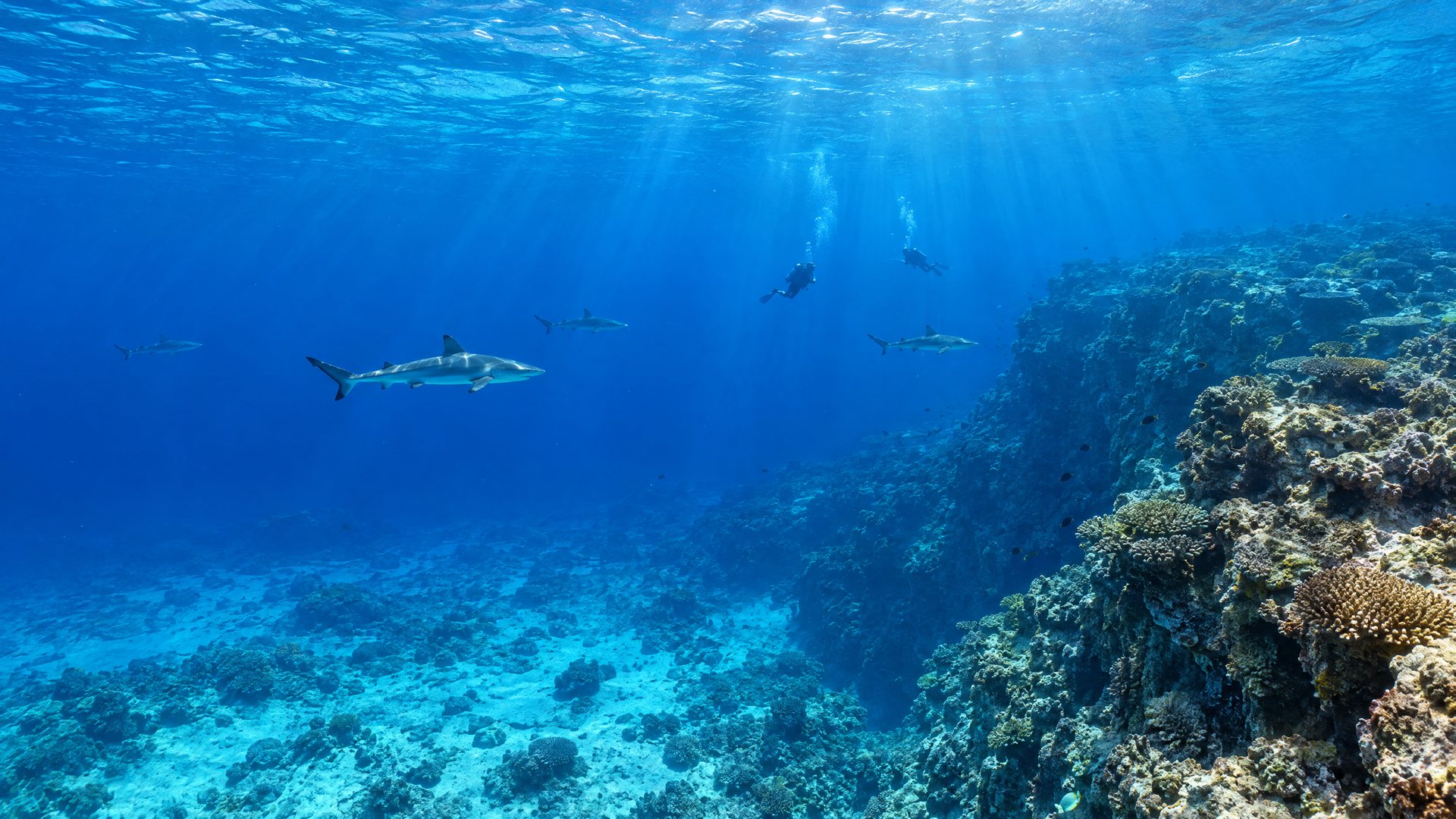
On the incoming tide, clear ocean water pours through an atoll's pass and pelagic fish gather to feed and hold station in the current. Operators drop divers outside the reef and let the current carry them through the pass: grey reef sharks, eagle rays, schooling jacks, barracuda, and the occasional hammerhead or manta, into the calm lagoon at the end. Timing is everything, so the day's schedule belongs to the tide table, not to you.
The outgoing tide is the opposite: lagoon water, warmer and hazier, running out to sea, sometimes at several knots. Garuae on Fakarava can run at eight knots in the trade-wind months. Dive centres plan around it and brief carefully. Trust the briefing.
02 · The sites
Four passes,
one training ground.
Tiputa, Rangiroa
The headline drift. Shark Cave at 35 m, grey sharks in June, great hammerheads from January to March at 45–55 m. Resident dolphins. Single dive 12,000 XPF in 2026.
Rangiroa guide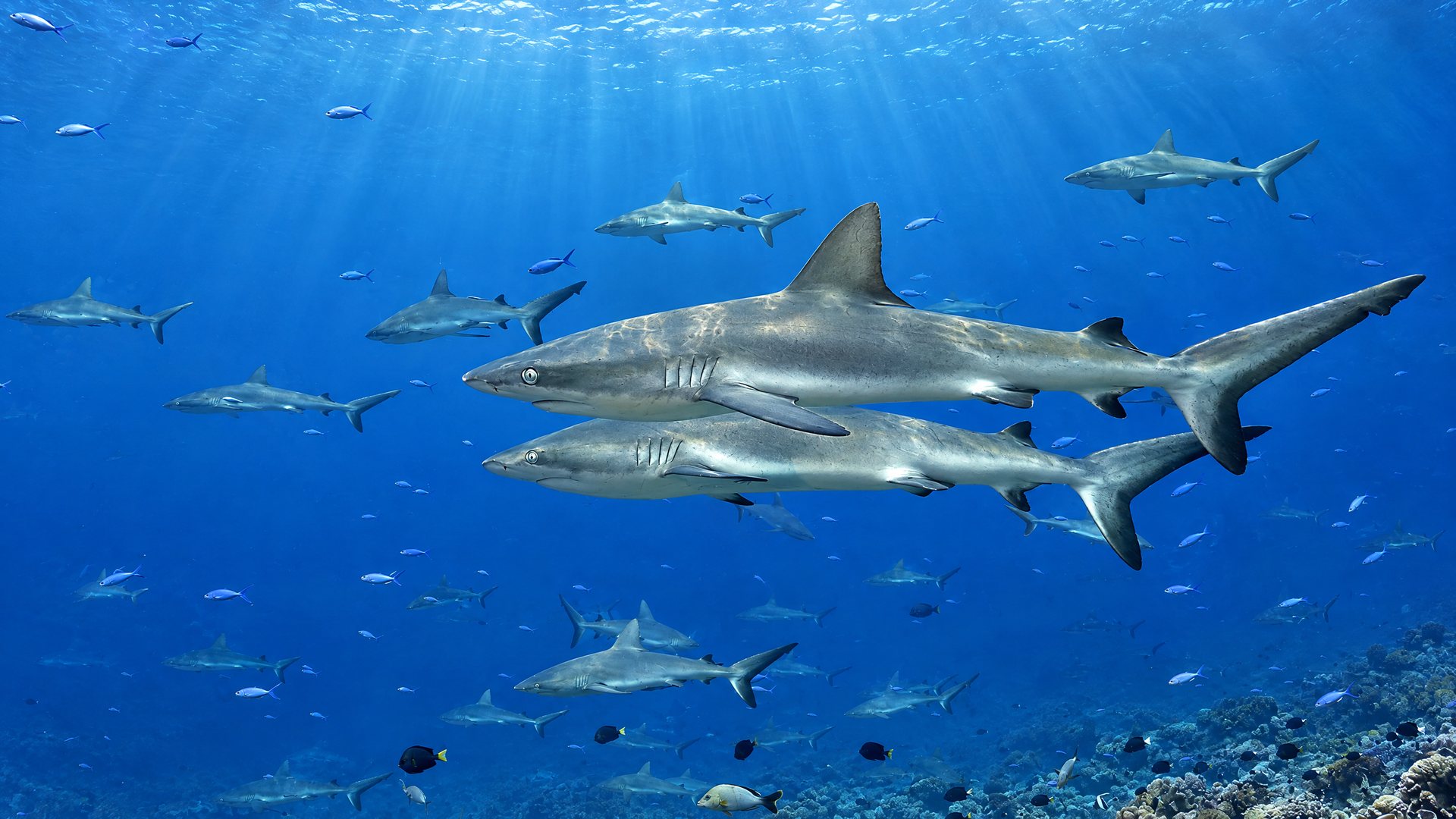
Tumakohua, Fakarava
The south pass: several hundred grey reef sharks, groupers spawning at the June and July full moons. Quota-limited, approved clubs only. Snorkelable from the surface.
Fakarava guide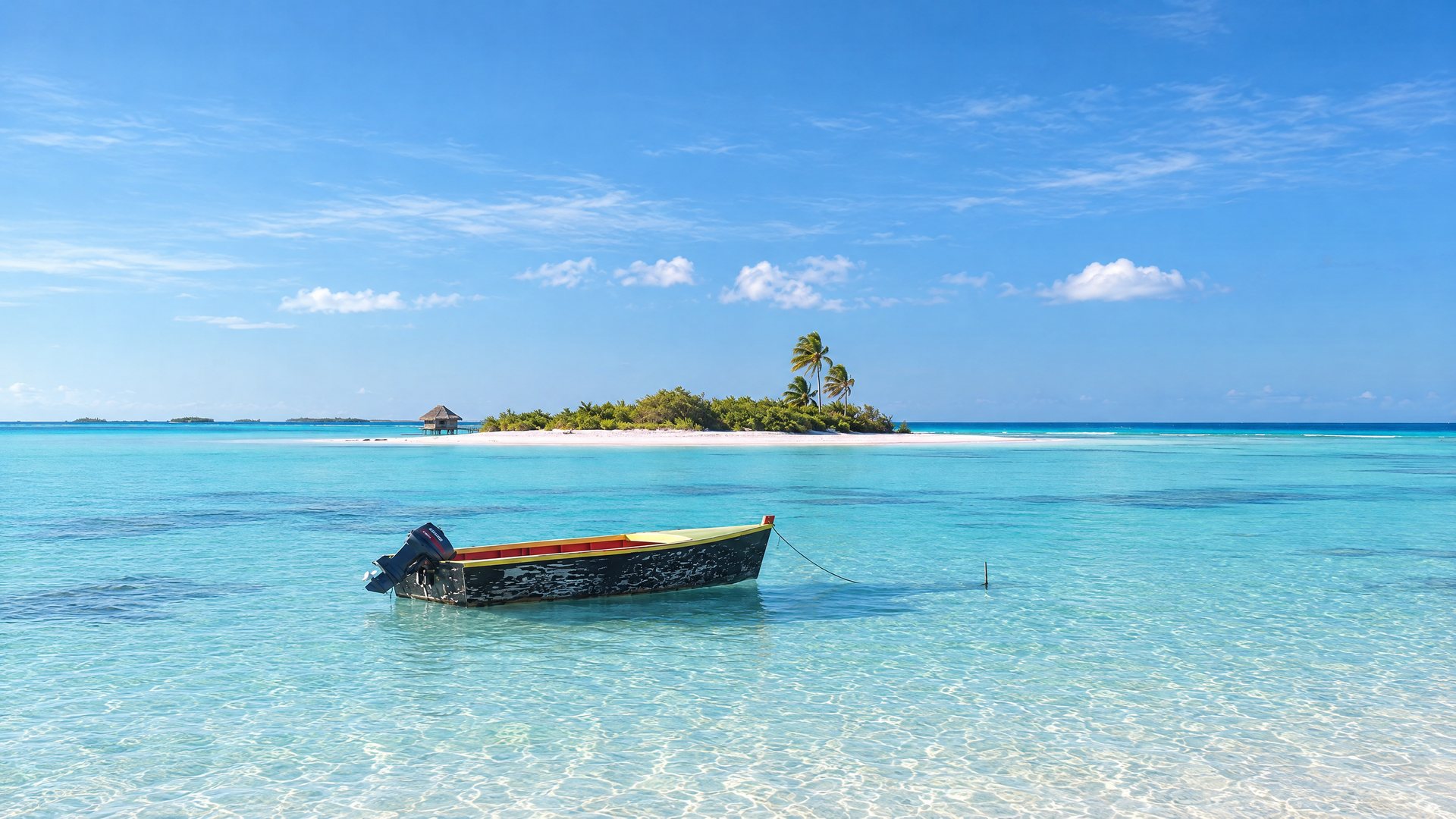
Tuheiava, Tikehau
The atoll's one pass: morays, Napoleon wrasse, barracuda, tuna, mantas and dolphins. Rated for all levels; the current decides the day. Double dive 19,000 XPF.
Tikehau guide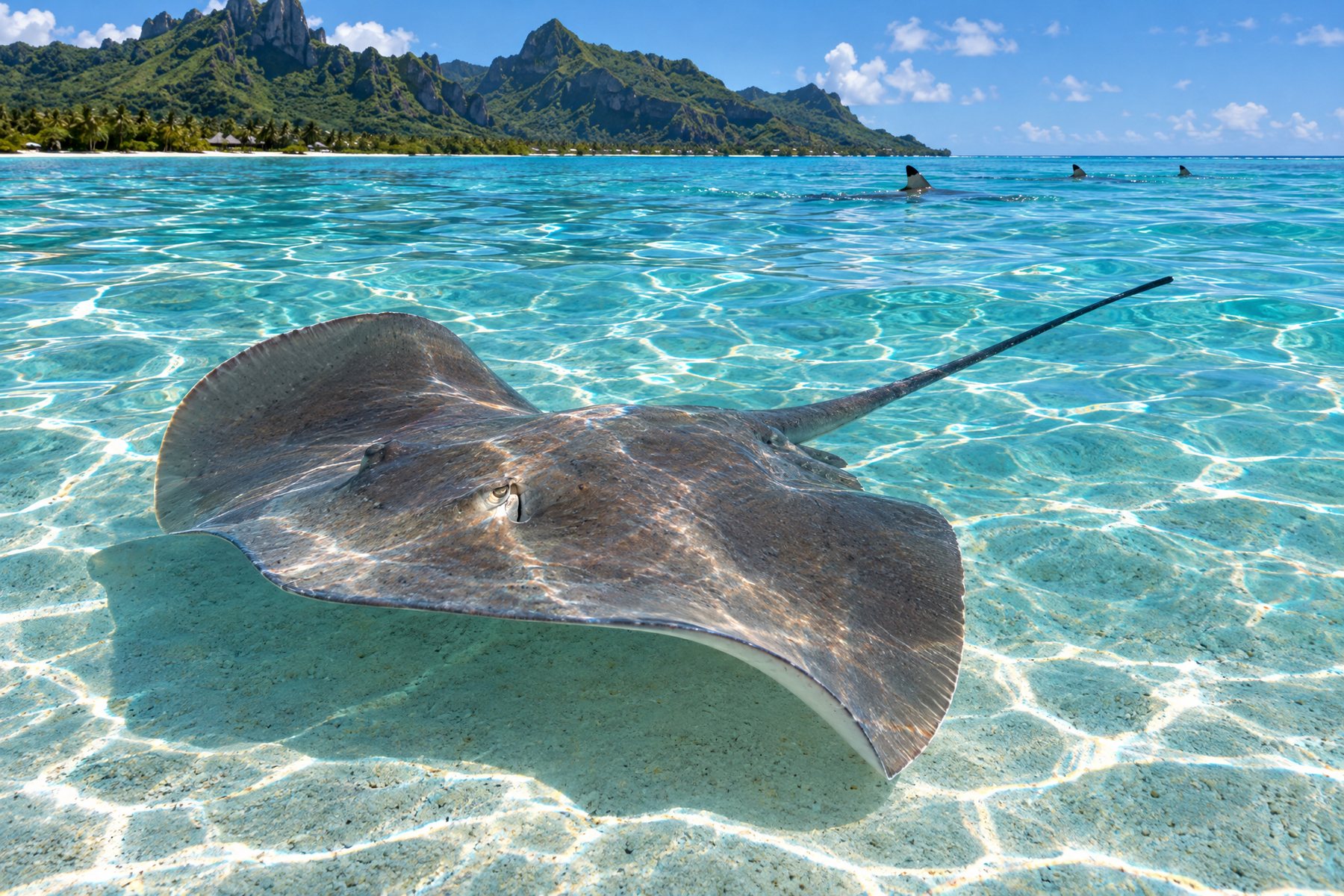
Moorea and Tahiti
Rays, lemon sharks, canyons and easy walls, with water at 26–29 °C and visibility often over 30 m. The place to refresh skills or learn before the atolls.
Moorea guide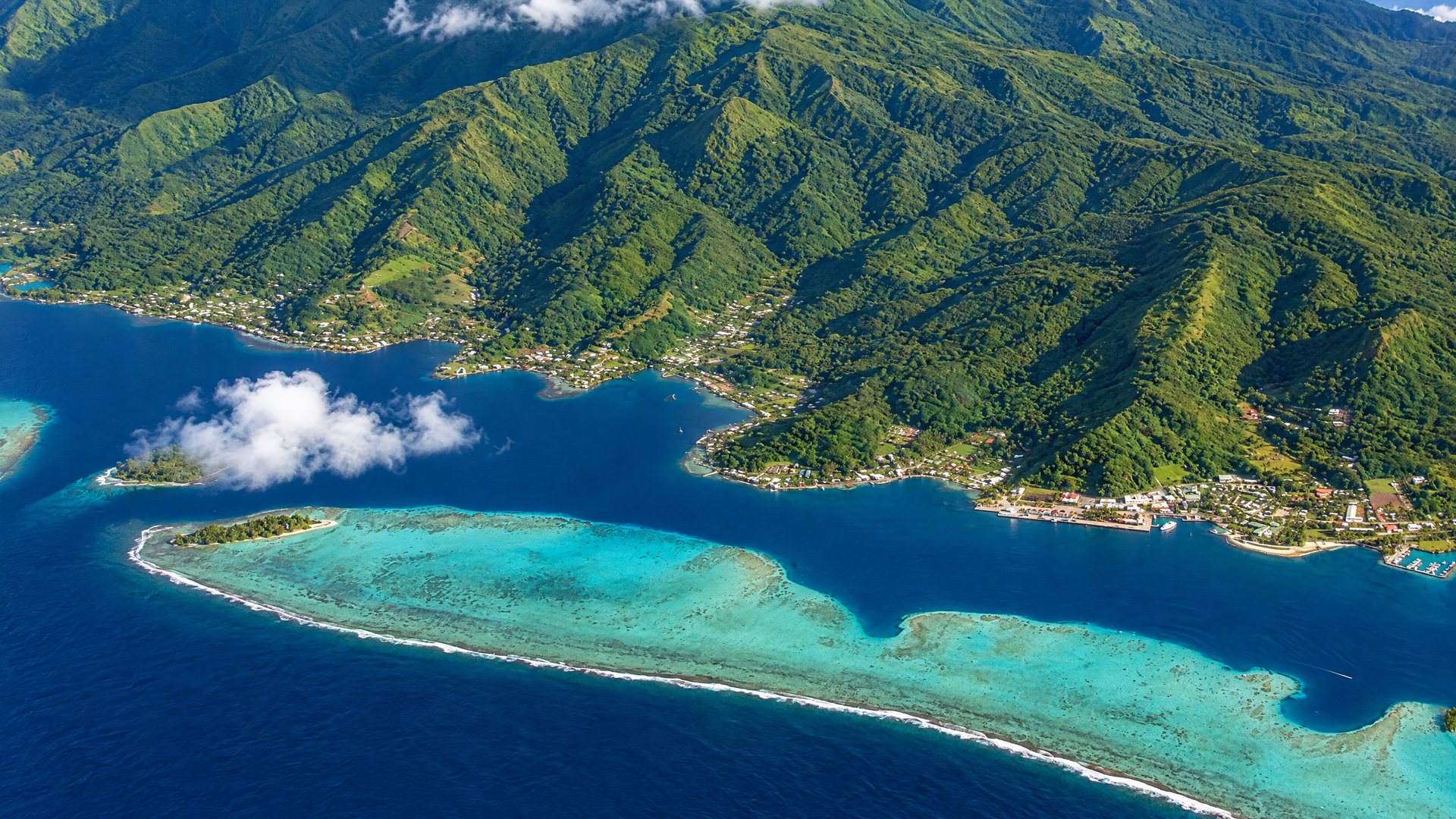
Raiatea
The Nordby, a three-masted ship lost in 1900, in the lagoon at 8–24 m, better at night. Three passes. Two-tank trip 15,800 XPF.
Raiatea guide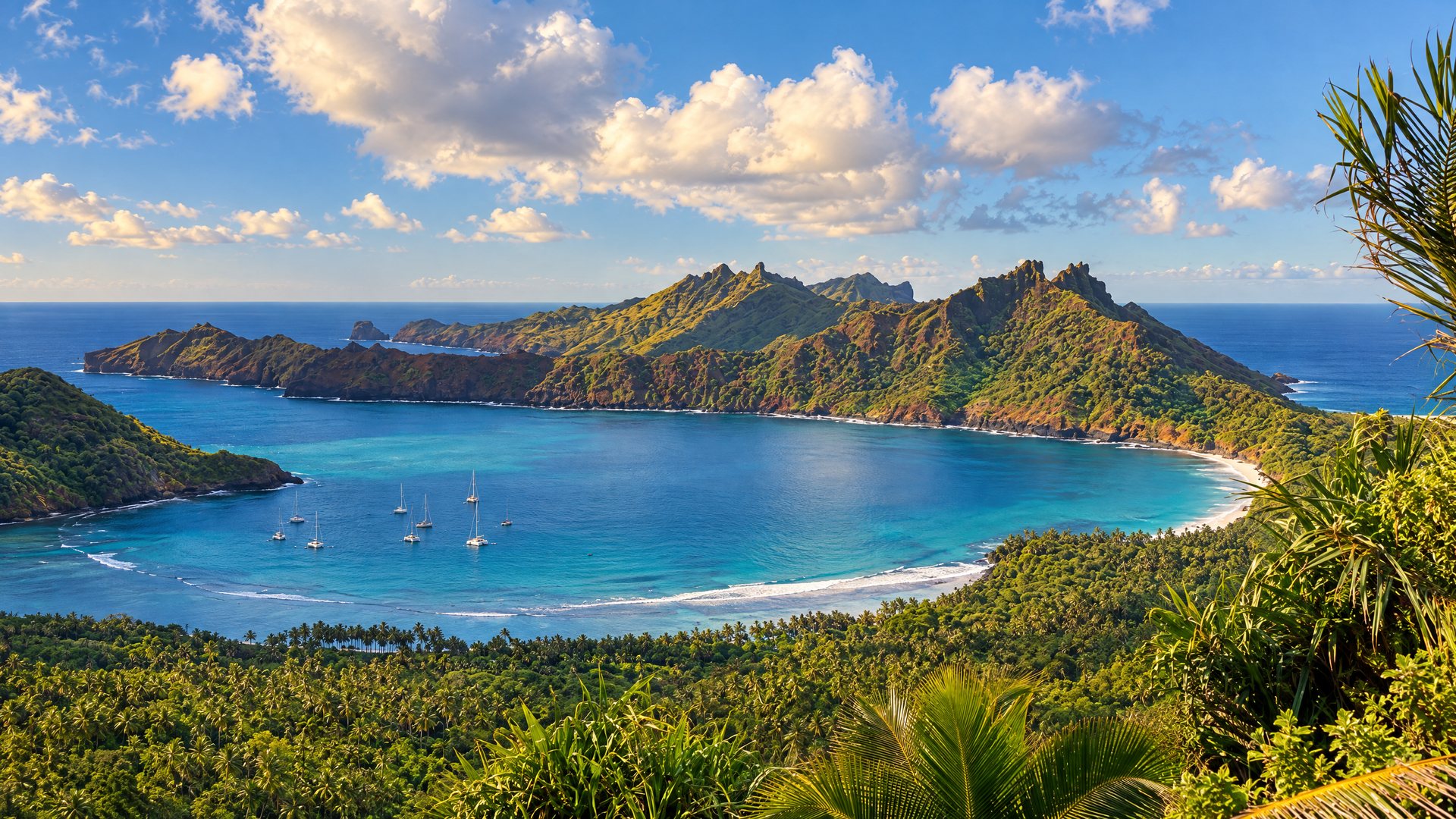
The Marquesas
Hammerheads and mantas at La Sentinelle on Nuku Hiva; caves with morays on Hiva Oa. Plankton-rich water: life, not visibility. Experienced divers.
Nuku Hiva guide03 · Before you giant-stride
The checklist.
- Certification
- Passes want comfort in current. Advanced level opens the best windows. Refresh on Moorea first if it has been a while.
- Season
- Diving runs all year. June and July bring Fakarava's grouper aggregation; January to March the hammerheads at Rangiroa; July to November, whale song in the water.
- Prices, 2026
- Introductory dive 14,000–15,000 XPF. Single dive 10,900–12,000; cheaper in packs. Two-tank trips 15,800–23,000. Nitrox often included.Rangiroa, Fakarava, Bora Bora, Raiatea rates
- Conditions
- Incoming-tide dives for clarity; outgoing can mean chop and haze. The briefing is the law.
- Etiquette
- No hands on coral, no chasing, reef hooks only where the operator allows. The sanctuary is why the diving is good.
- Logistics
- Book dive-and-stay packages on the atolls; tanks and boats are finite and July to October sells out. Dive clubs collect guests from pensions.
Related
Related pages.
Explained
The wall of sharks
Several hundred grey reef sharks in Fakarava's south pass, and the grouper spawning that feeds them.
Read the article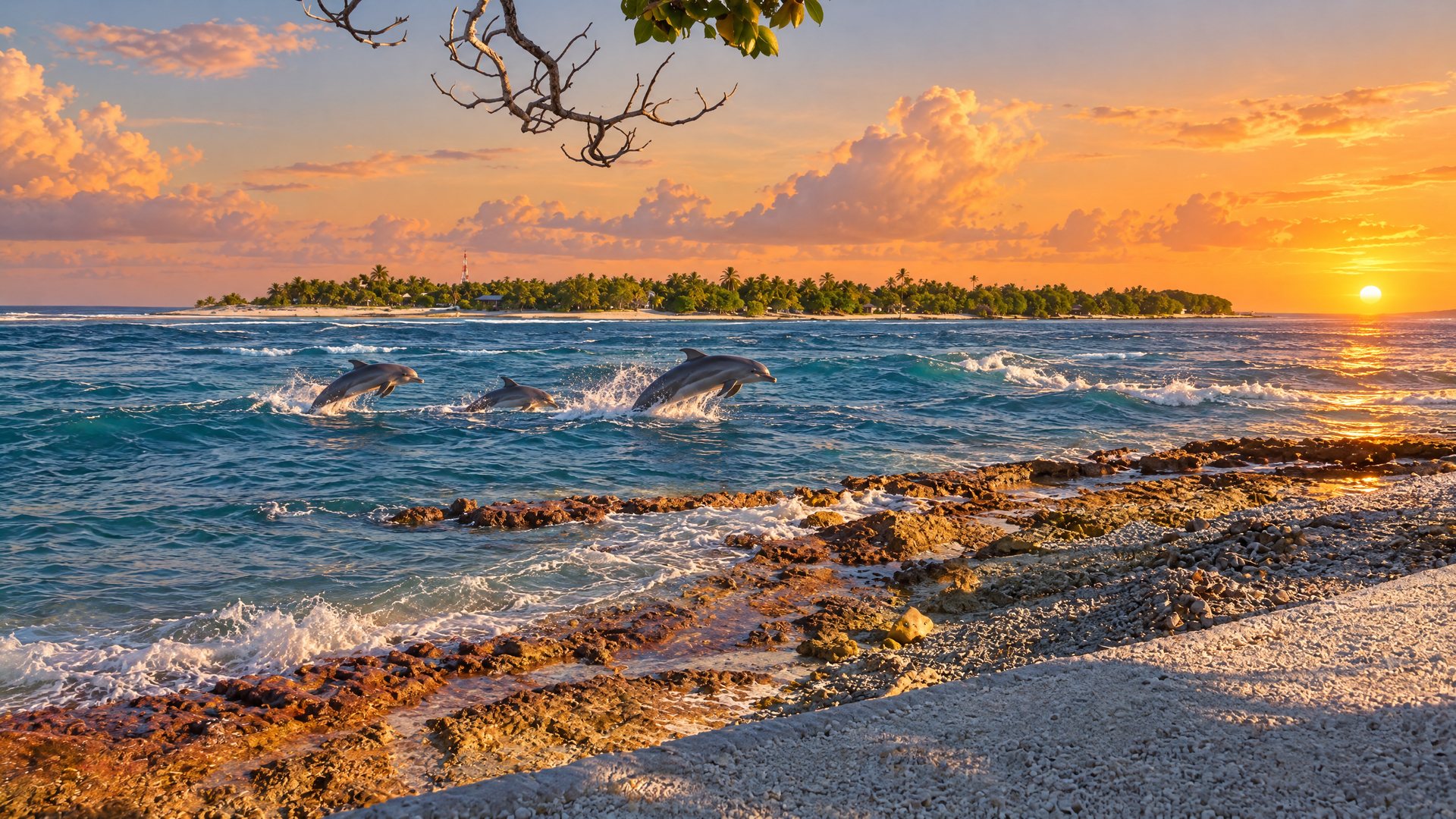
Explained
The dolphins of Tiputa pass
A resident pod of bottlenose dolphins on Rangiroa surfs the standing waves of the outgoing tide.
Read the article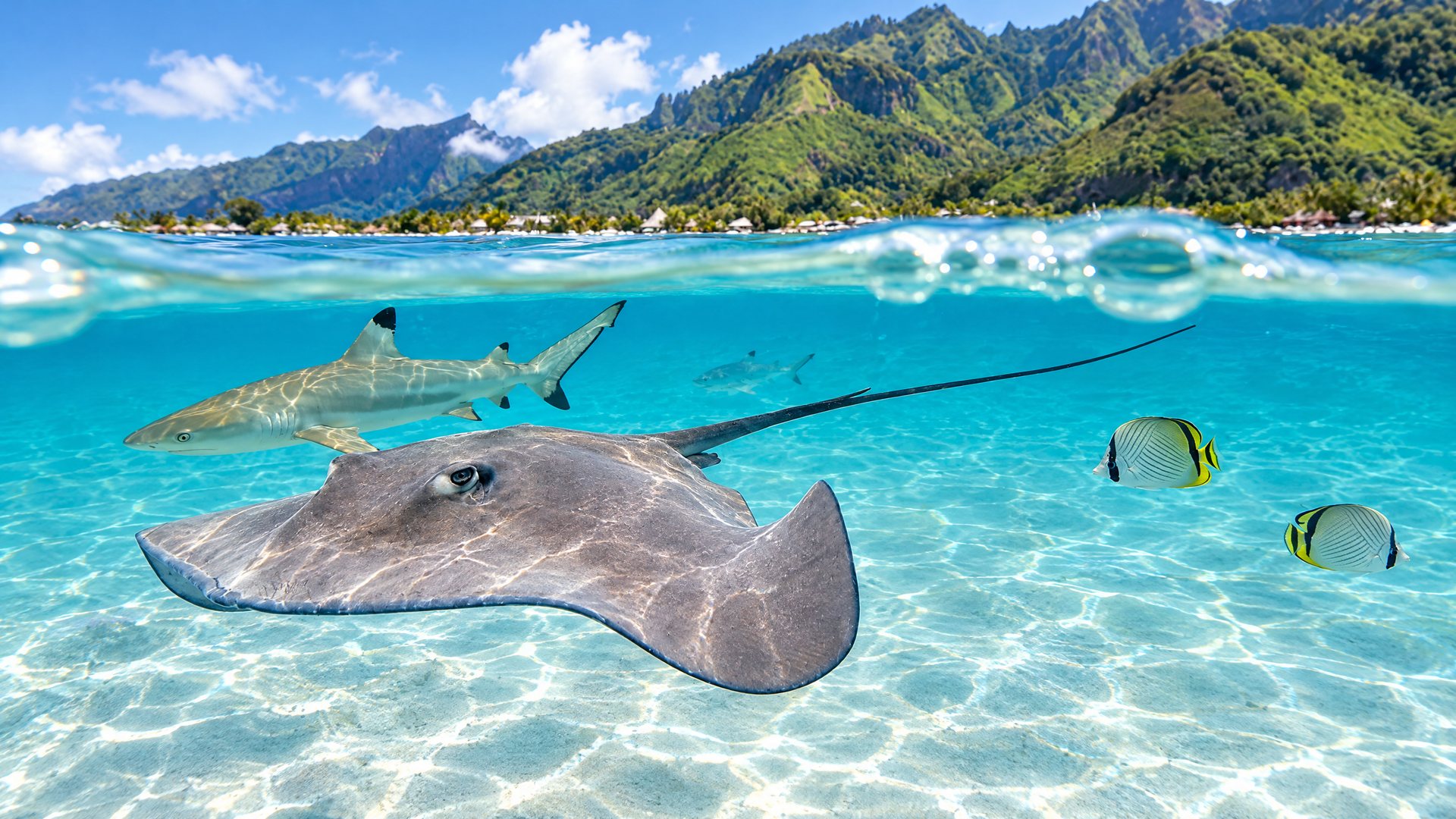
Experiences
Snorkelling
The same show, from the surface.
Read more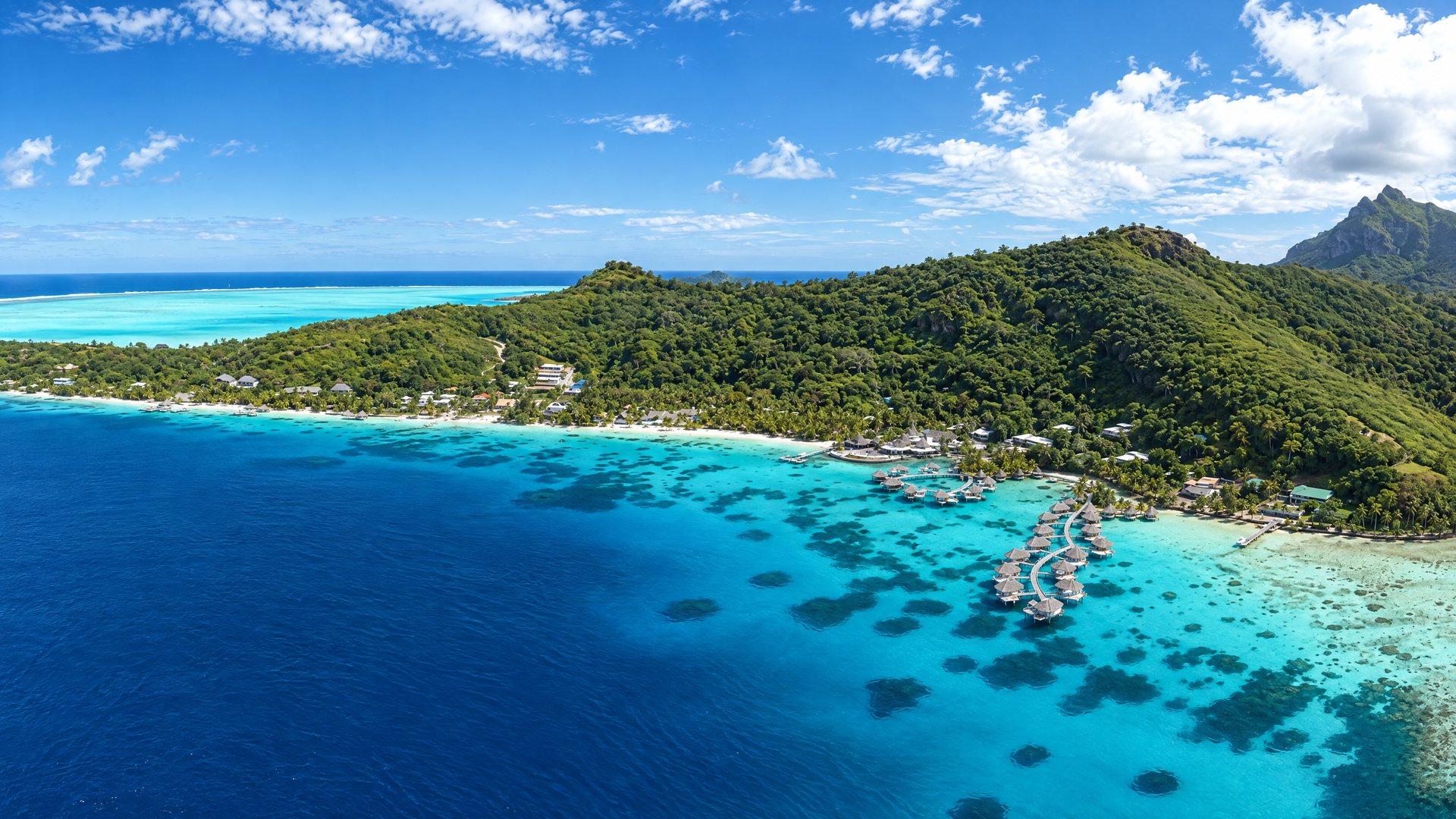
Plan
Itineraries
The lagoon-and-reef route through the Tuamotu.
Read more