Experiences · Whales
Whale season.
Humpbacks swim from Antarctic feeding grounds to calve in these warm, sheltered waters every austral winter. Meeting them is regulated, and the regulations are why they keep coming.
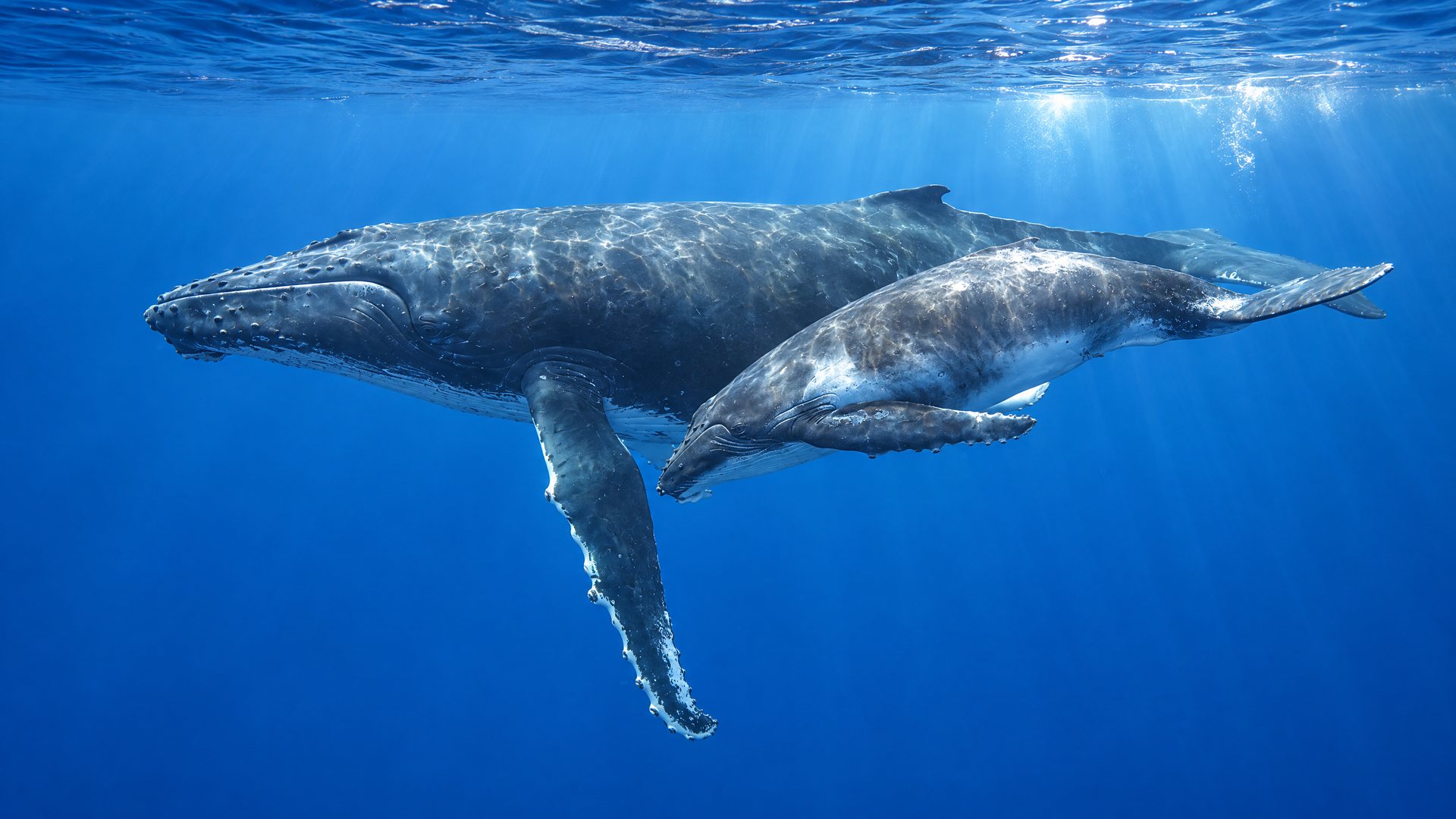
Humpback mother and calf, Moorea
From July to November humpback whales rest, court and give birth along the sheltered sides of the islands, having swum thousands of kilometres from polar feeding grounds. Mothers with calves hug calm water close to the reef, which is why encounters here can be so close and why calm behaviour from boats and swimmers matters.
01 · The rules
Licensed boats,
fixed distances.
French Polynesia declared its entire exclusive economic zone a marine mammal sanctuary in 2002. Whale observation needs a permit, issued on nine islands from 20 July to 20 November, between 07:30 and 17:30. There is no observation inside lagoons, bays or passes. At most three permitted boats may be within 300 metres of a whale, at under three knots, and none within 100 metres. Where swimming is allowed, swimmers enter the water outside the 100-metre zone, at most seven per boat including the guide, and nobody approaches within fifteen metres. Encounters are limited to fifteen minutes, less with a newborn.
If a boat chases, crowds or cuts across an animal, it is breaking the law. Ask any operator to show its permit, and choose another one if it will not.
02 · Where
Three islands.
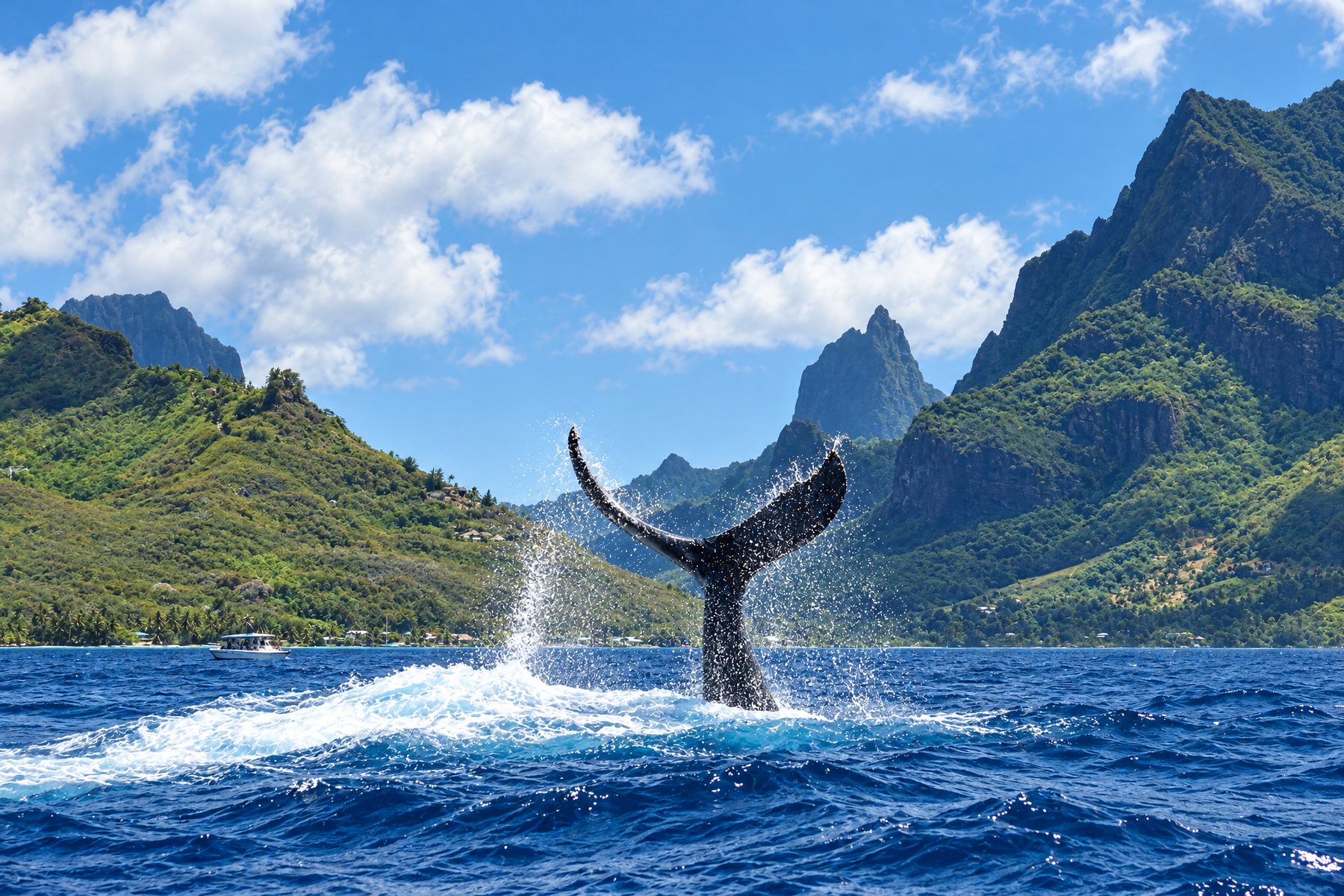
Moorea
The accessible classic: licensed boats from the north-west, sightings outside the reef on ordinary mornings, close to Tahiti and its airport.
Moorea guide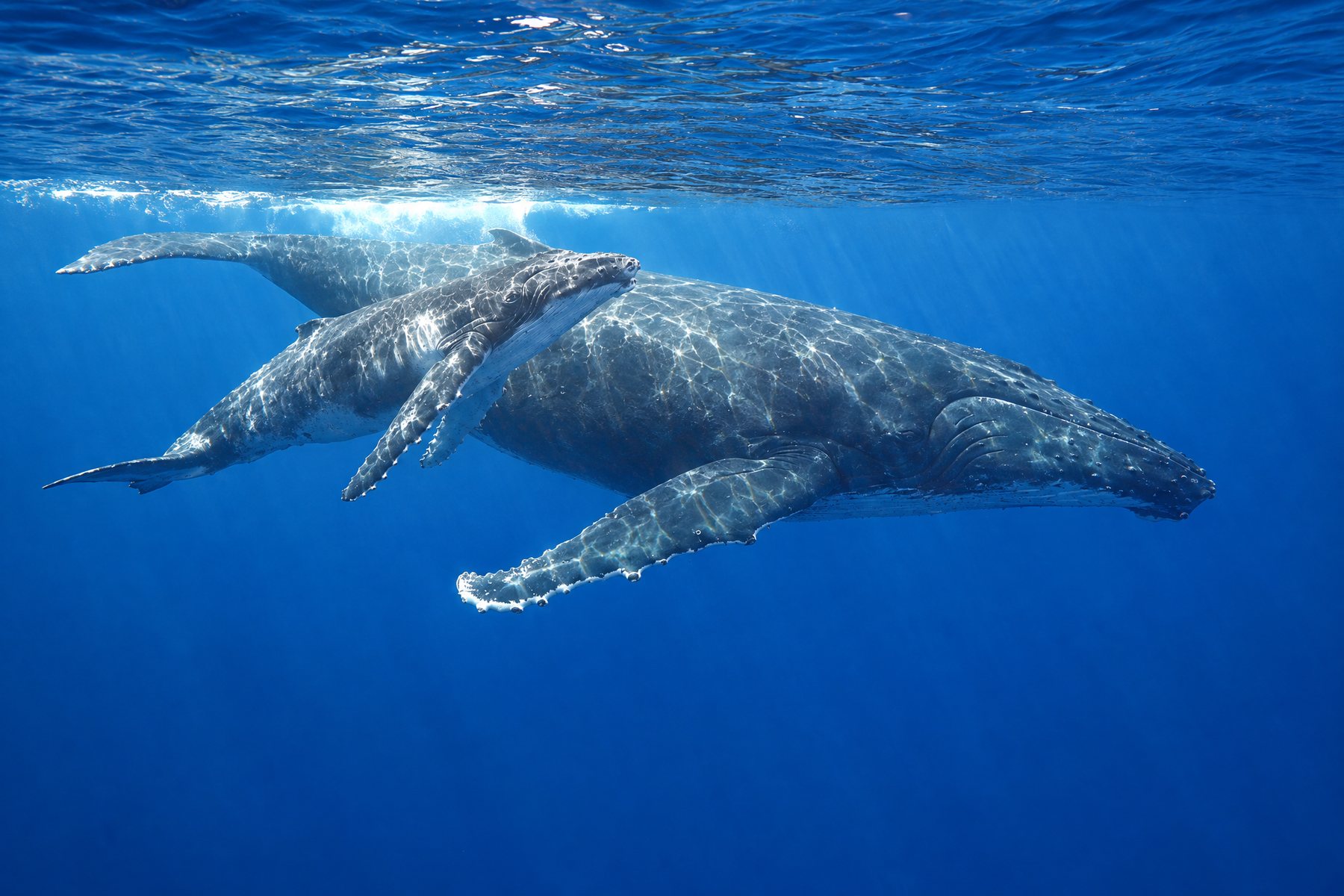
Rurutu
The shelf drops fast, so mothers and calves rest close under the cliffs. Two listed operators in 2026, four guesthouses, and lookouts where you can watch from the land.
Rurutu guide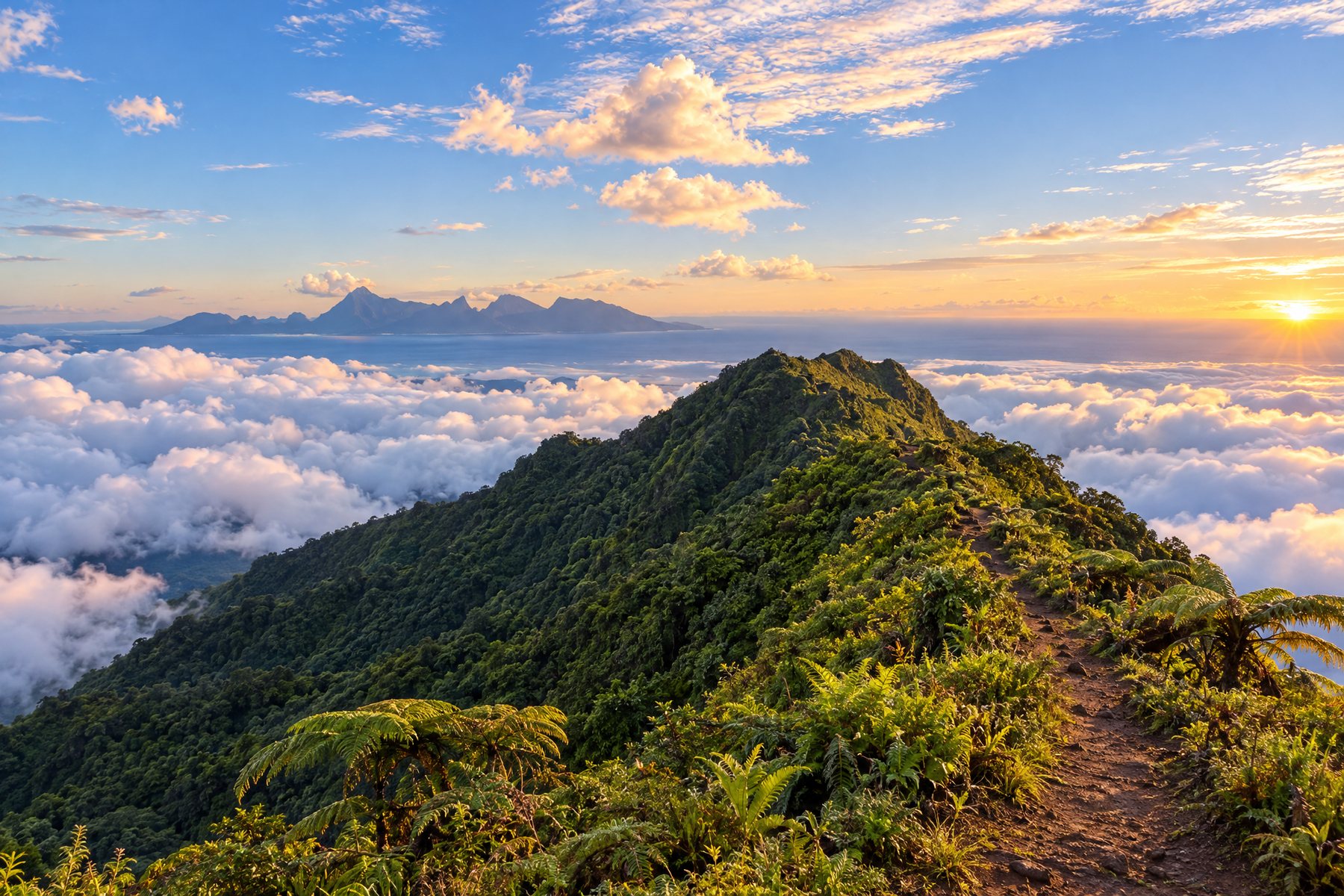
Tahiti and Raiatea
Boats from Tahiti's west coast; private whale outings from Raiatea at 68,000 XPF for up to five people in 2026.
Tahiti guide03 · In practice
What to expect.
- Sightings
- Likely in August to October, never guaranteed. Book two outings rather than one.The second is the insurance
- Swimming
- Only from a licensed boat, outside lagoons, bays and passes, at the guide's signal, floating still. No chasing, no diving down, no touching.Many of the best moments are from the boat
- Conditions
- Winter trade winds chop the afternoons. Book morning slots and have a seasickness plan.
- Children
- Operators set age minimums for swims. Most young children are happier on the boat or the shore.
- Cost
- Shared outings on Moorea from roughly 8,000 to 18,000 XPF a head; Rurutu operators quote through the pensions.Dated quotes before you book
- Operators
- Tahiti Tourisme publishes the licensed lists by island each season.
Related
Related pages.
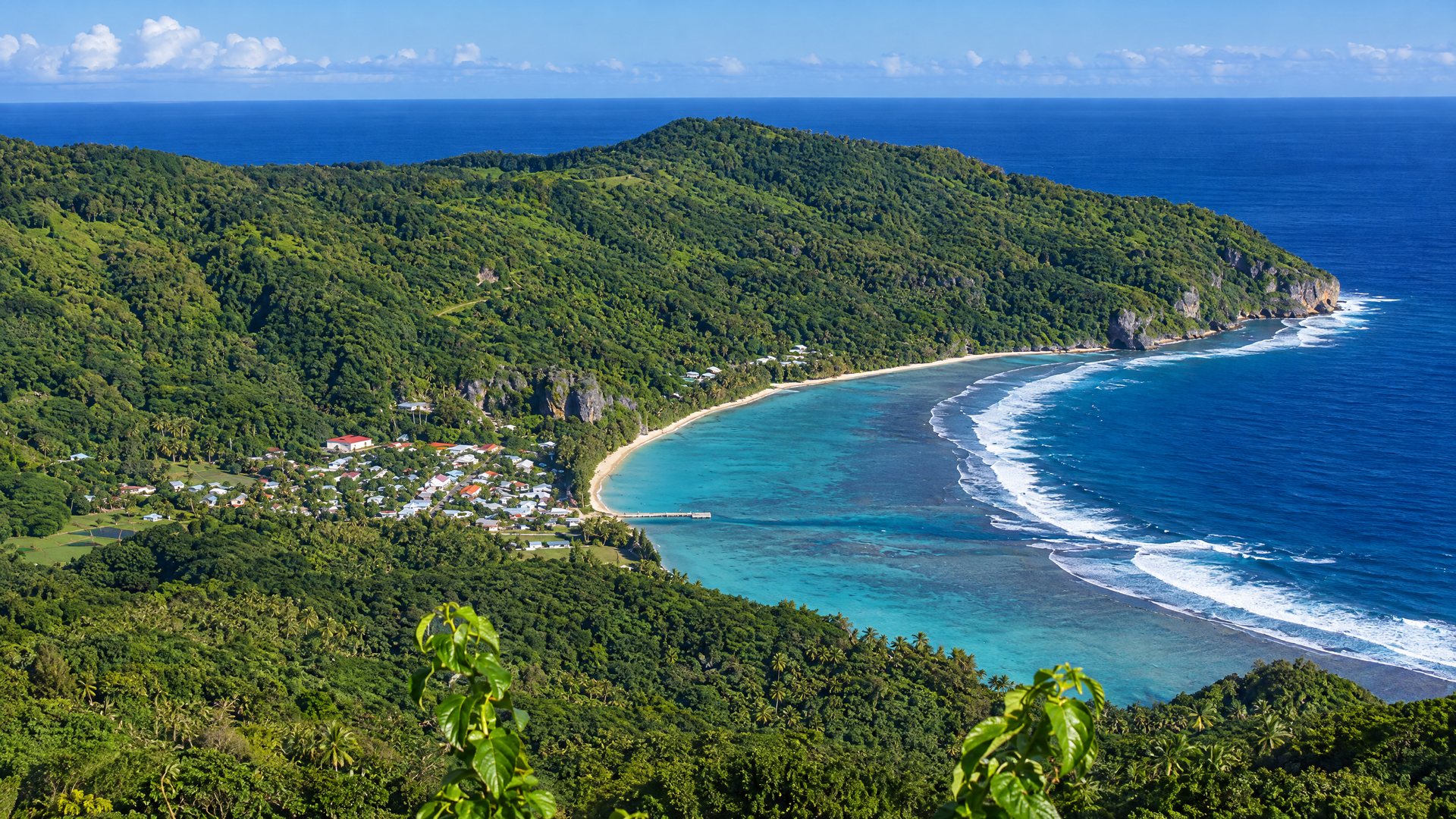
Australs
Rurutu
Limestone cliffs with caves, taro valleys, and humpback whales close to shore from July to October.
Open the island guide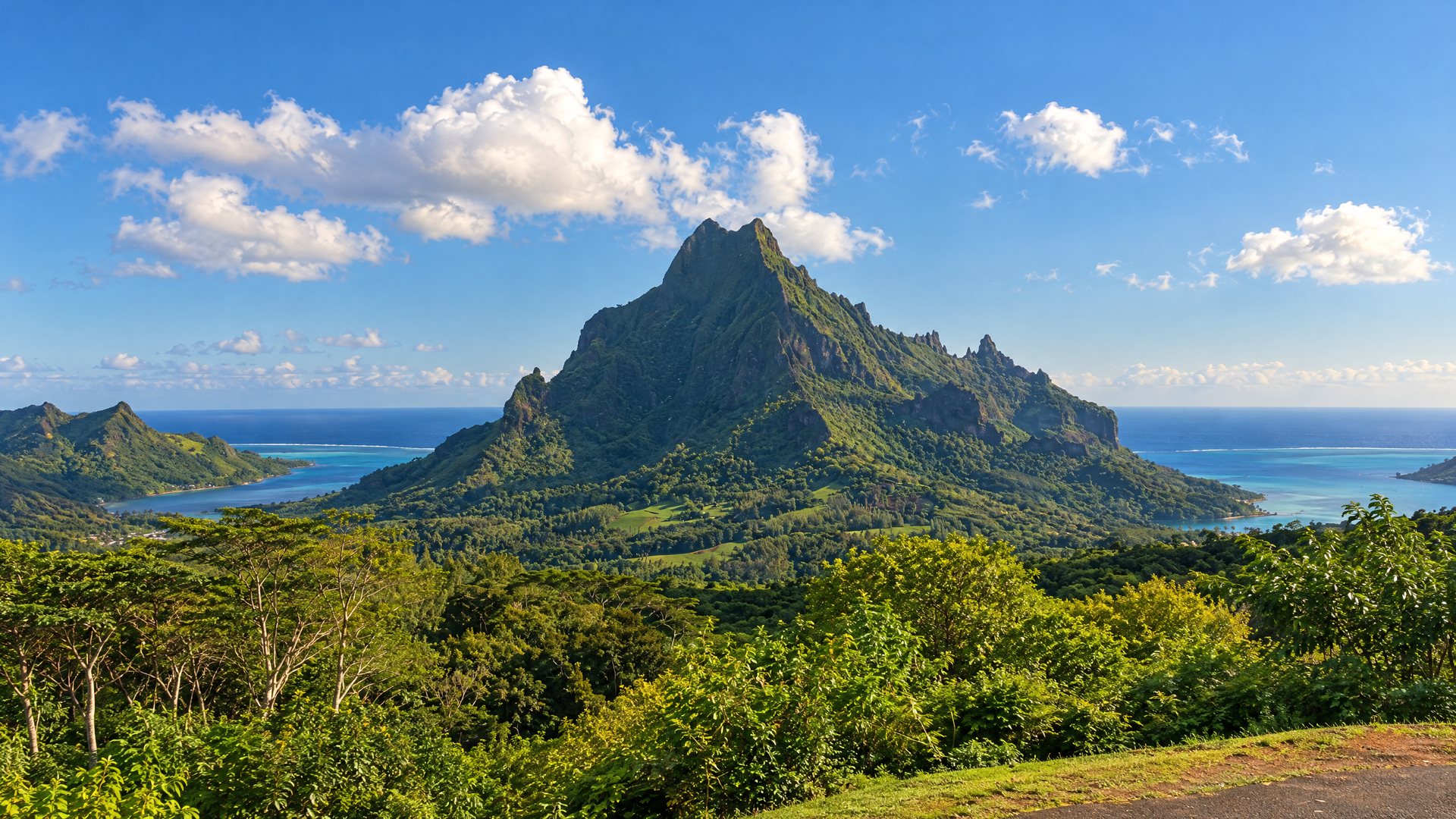
Society Islands
Moorea
Thirty minutes from Tahiti by ferry. Rays off the beaches, humpback whales outside the reef from July.
Open the island guide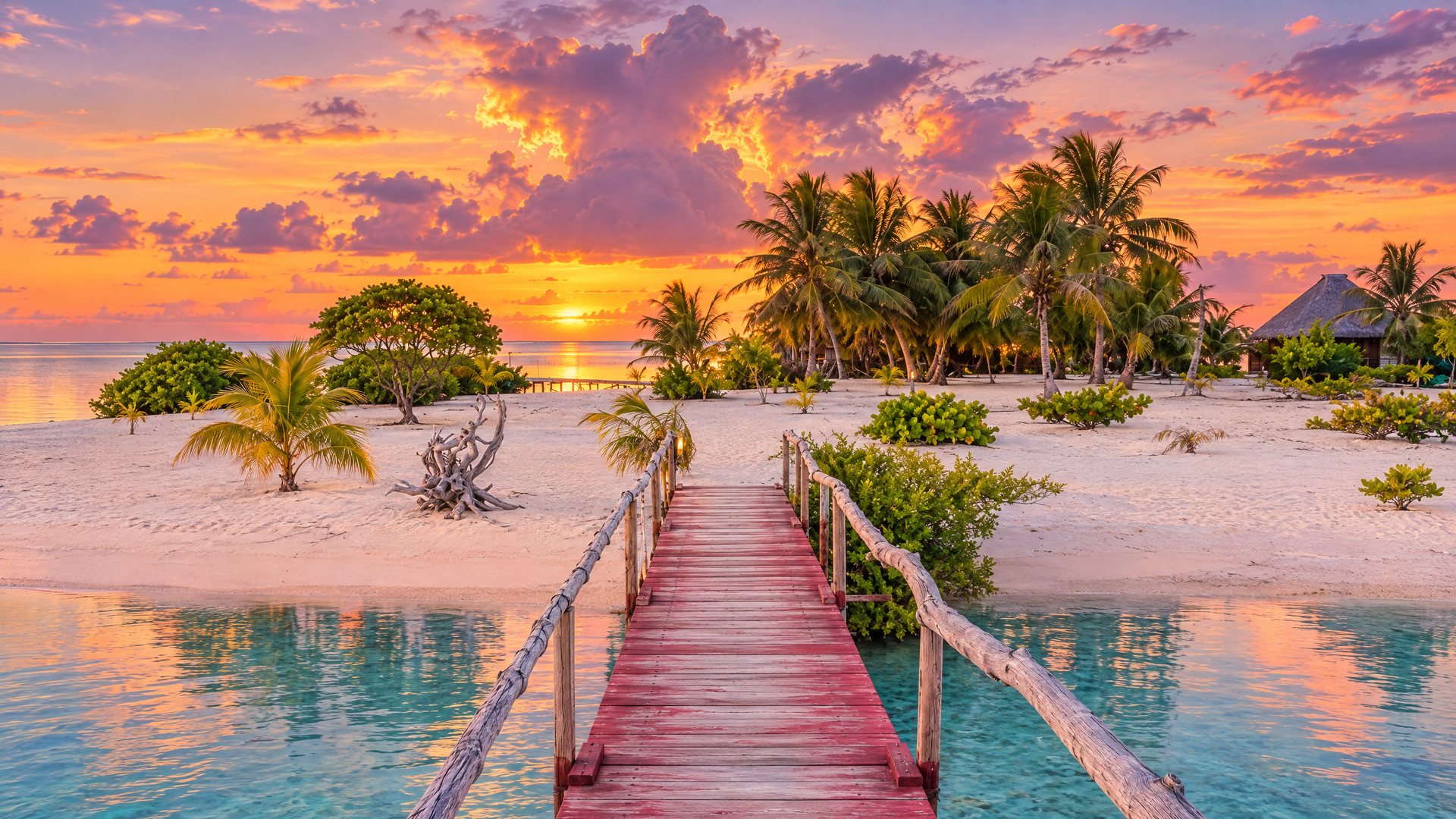
Plan
When to go
The whale months, and what else they bring.
Read more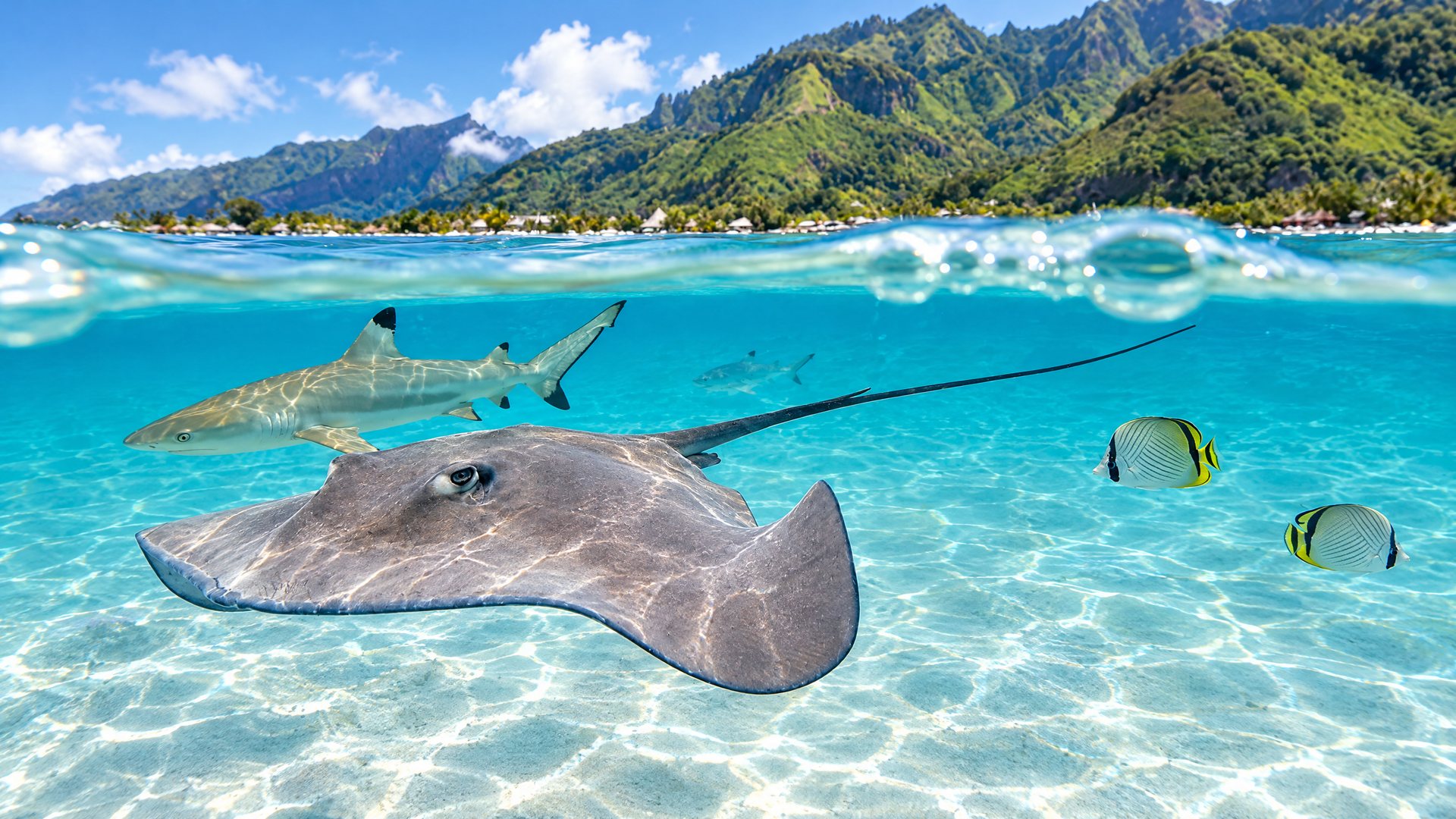
Experiences
Snorkelling
The rest of the year, in the lagoon.
Read more