Plan · Seasons
When to go.
Two seasons, five archipelagos that bend them, and the events worth building a trip around. There is no single best month.
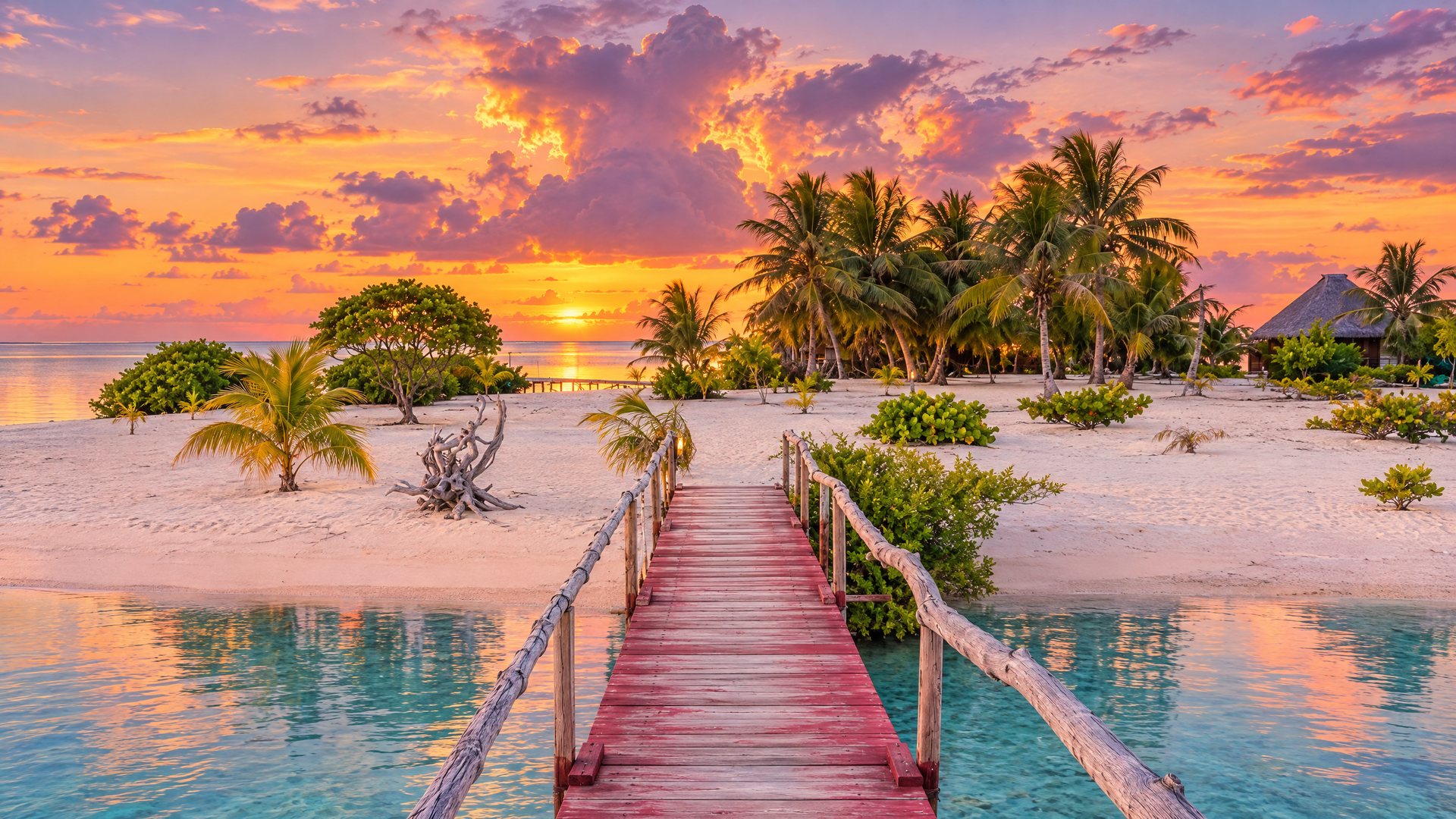
Tikehau at sunset
November to April is the warm season: hotter, more humid, brief heavy downpours, the greenest islands, and a small cyclone risk concentrated in December to March. May to October is the cool season: drier air, trade winds from the south-east, and the busiest calendar. Climate averages are context, not promises; the islands sit in open ocean and weather runs in bands.
01 · How the archipelagos differ
One rule,
five exceptions.
The high islands catch the most rain. Tahiti's airport records about 1,580 mm a year, Moorea's north-west coast about 2,690, and Raiatea's windward station at Opoa some 3,700. Huahine's Fare averages close to 400 mm in each of December and January. The atolls are sunnier in most months because there is no mountain to hold the cloud: Rangiroa sees roughly 60 to 70 mm in July and August.
The Marquesas, closer to the equator, have their own rhythm: Nuku Hiva's airport gets about 900 mm a year and is driest in September and October, while Atuona on Hiva Oa gets half as much again and is driest from September to December. The Australs run several degrees cooler: Rurutu averages 24 to 25 °C by day and 18 to 19 at night in July and August, with the sea at about 24 °C. Mangareva is cooler still, with the sea at 23 °C from July to October.
Month by month.
Crowd and price levels are editorial judgements based on arrival statistics, Air Tahiti's peak periods and French school holidays.
January
Warm, wet, quiet
Short heavy showers, green islands, hotels quiet outside the New Year holidays. Hammerhead season at Rangiroa begins.
ValueFebruary
Wettest for most islands
Cyclone watch peaks. Divers still dive; the atolls are drier than the high islands.
ValueMarch
Heat eases late
Lagoons at their warmest, around 29 °C. Hammerheads at Rangiroa until the end of the month.
Good visibilityApril
Drying, shoulder prices
The transition month: fewer crowds, improving trails, rates still soft. Fakarava's Hirifa kite season starts.
Quietly goodMay
Dry season begins
Trails firm up, the first whales are reported late in the month. Book July rooms now.
ShoulderJune
Cool, breezy, clear
The mara'amu trade wind can chop south-facing water. Fakarava's grouper spawning and shark peak at the full moon.
DivingJuly
Heiva month, peak demand
The festival on Tahiti and most islands, French school holidays, the busiest and dearest weeks of the year.
Reserve everything earlyAugust
Prime dry season
Whales established on Moorea and Rurutu, driest month on most islands, high occupancy.
PeakSeptember
Whales, thinning crowds
French holidays end; the whale season continues; Nuku Hiva's driest month.
The best balanceOctober
Warming again
Last reliable whale weeks, shoulder rates return, crews train for the Hawaiki Nui.
ShoulderNovember
Race week, first rains
Hawaiki Nui Va'a in the Leewards early in the month; the warm season's first rains; whales leave.
Race week fills the LeewardsDecember
Warm, holiday-busy
Christmas and New Year fill the resorts; between them it is quiet and green. Lychees on Tubuai.
Book the festive weeks early02 · By priority
Match the month
to the reason.
- Whales
- July to November, peaking August to October, on Moorea, Tahiti and above all Rurutu.Permits run 20 July to 20 November
- Diving
- All year. June and July for Fakarava's grouper aggregation; January to March for Rangiroa's hammerheads; the warm season for the clearest, calmest lagoon water.
- Festivals
- July for the Heiva; early November for the Hawaiki Nui Va'a; the first week of January for Rurutu's Tere.
- Surf
- April to October on south-facing reefs, Teahupo'o included; November to March on the north shores.
- Value and quiet
- April and May, September and October: dry-season weather at shoulder rates. The warm season outside the holidays is the quietest of all.
- Mantas
- Maupiti and Tikehau: year-round, most reliable July to November.
Related
Related pages.
Experiences
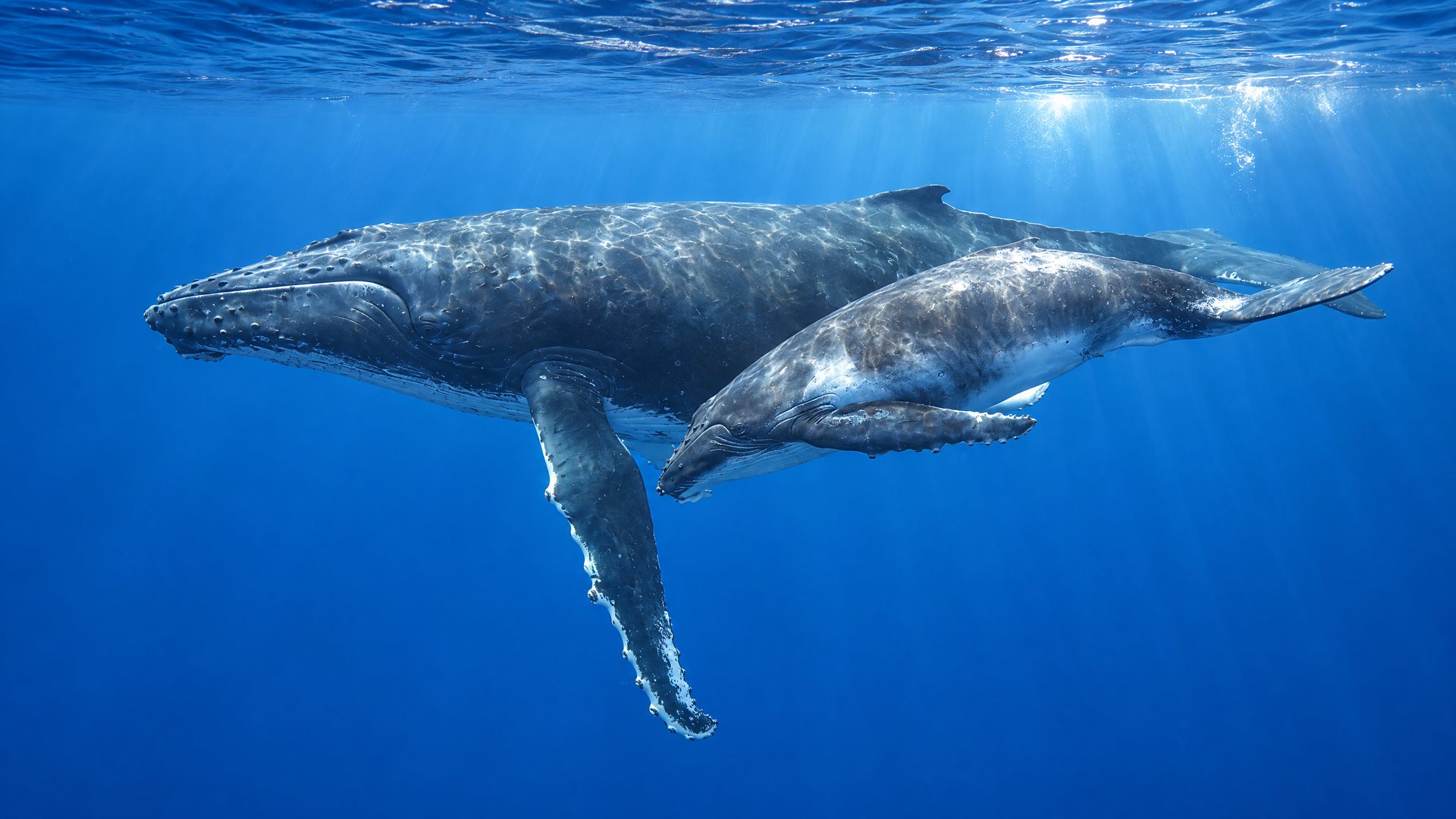
Whales
The season and the rules.
Read more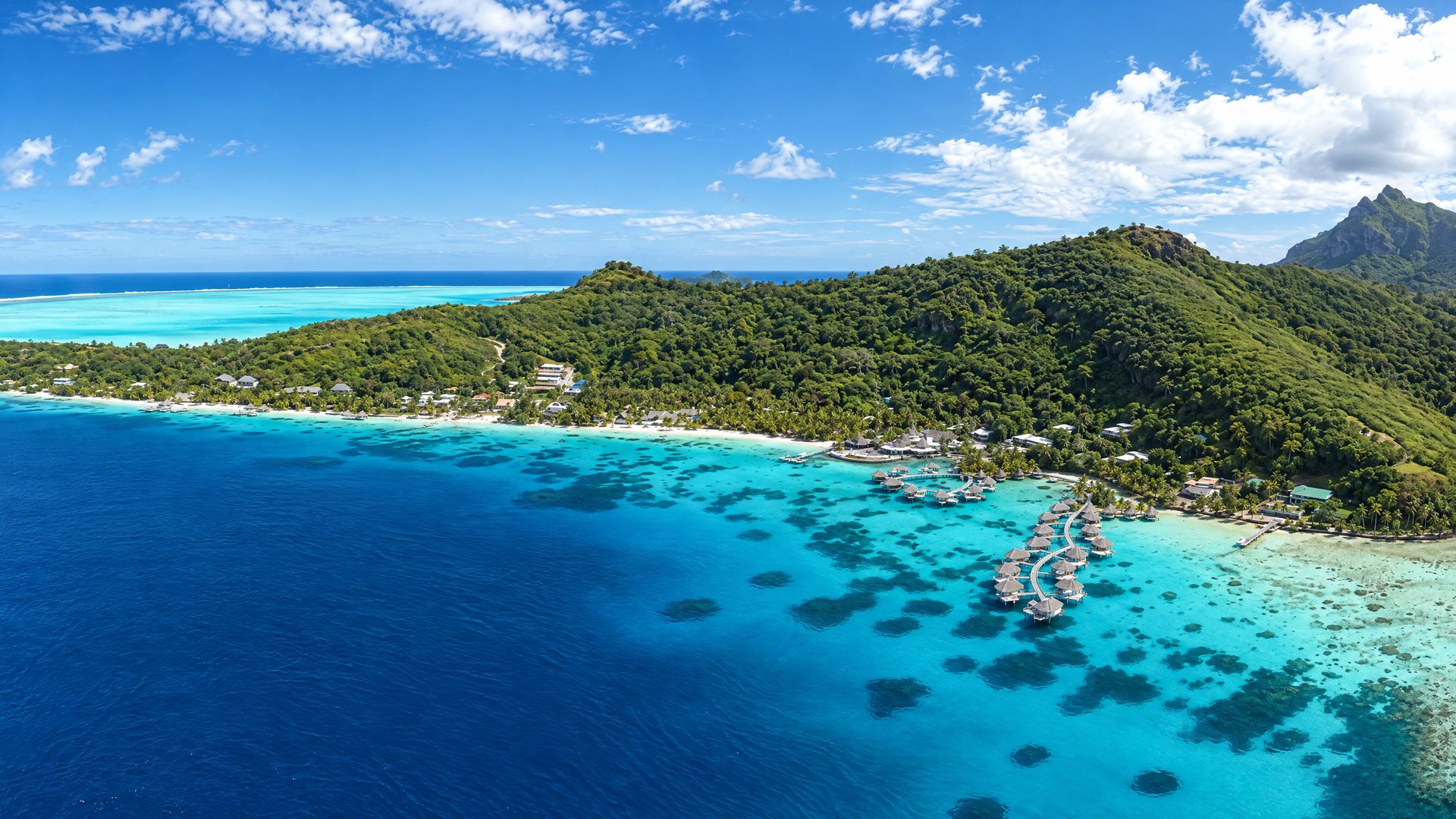
Plan
Itineraries
Four routes, with the reasoning.
Read more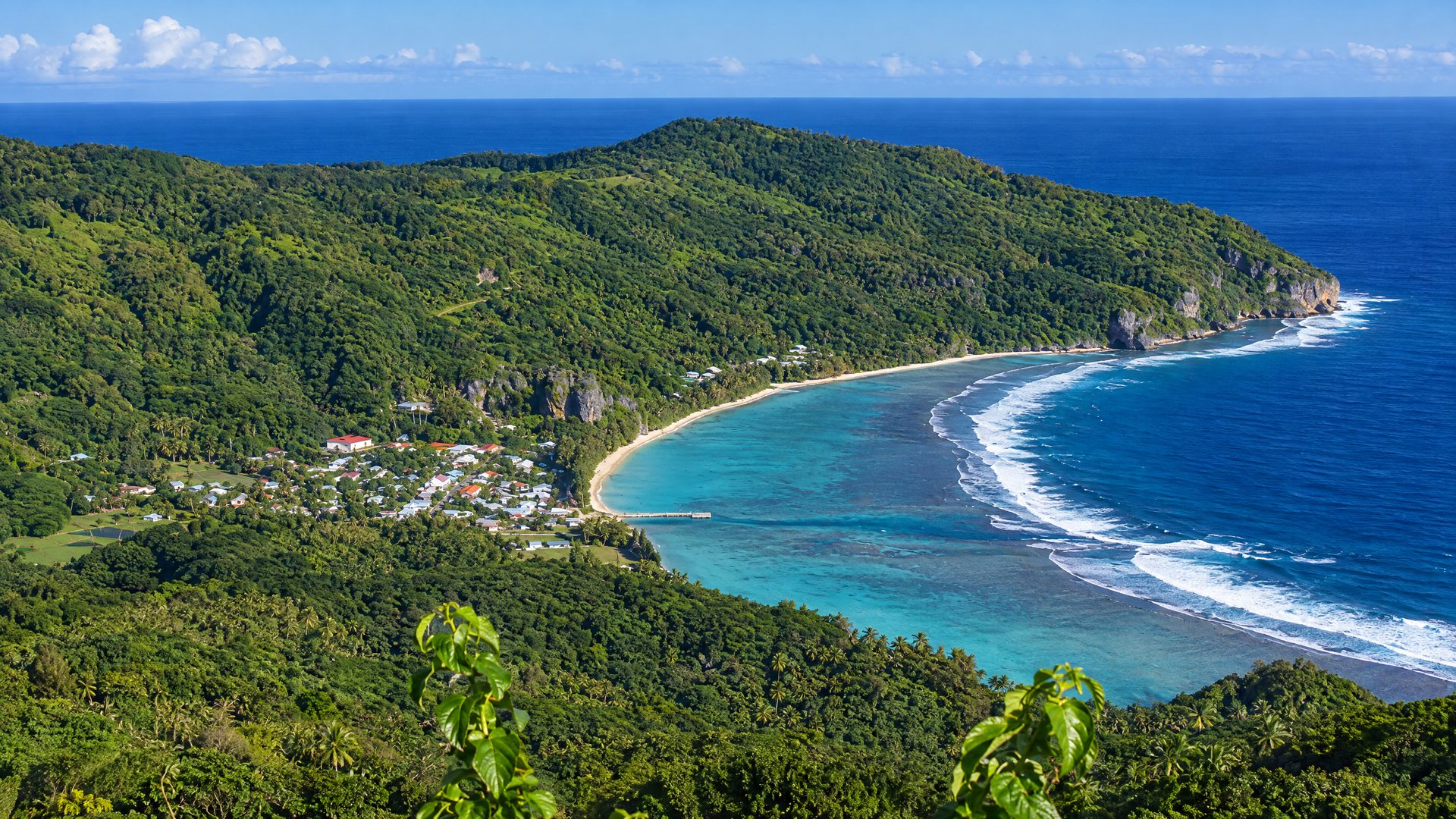
Australs
Rurutu
Limestone cliffs with caves, taro valleys, and humpback whales close to shore from July to October.
Open the island guide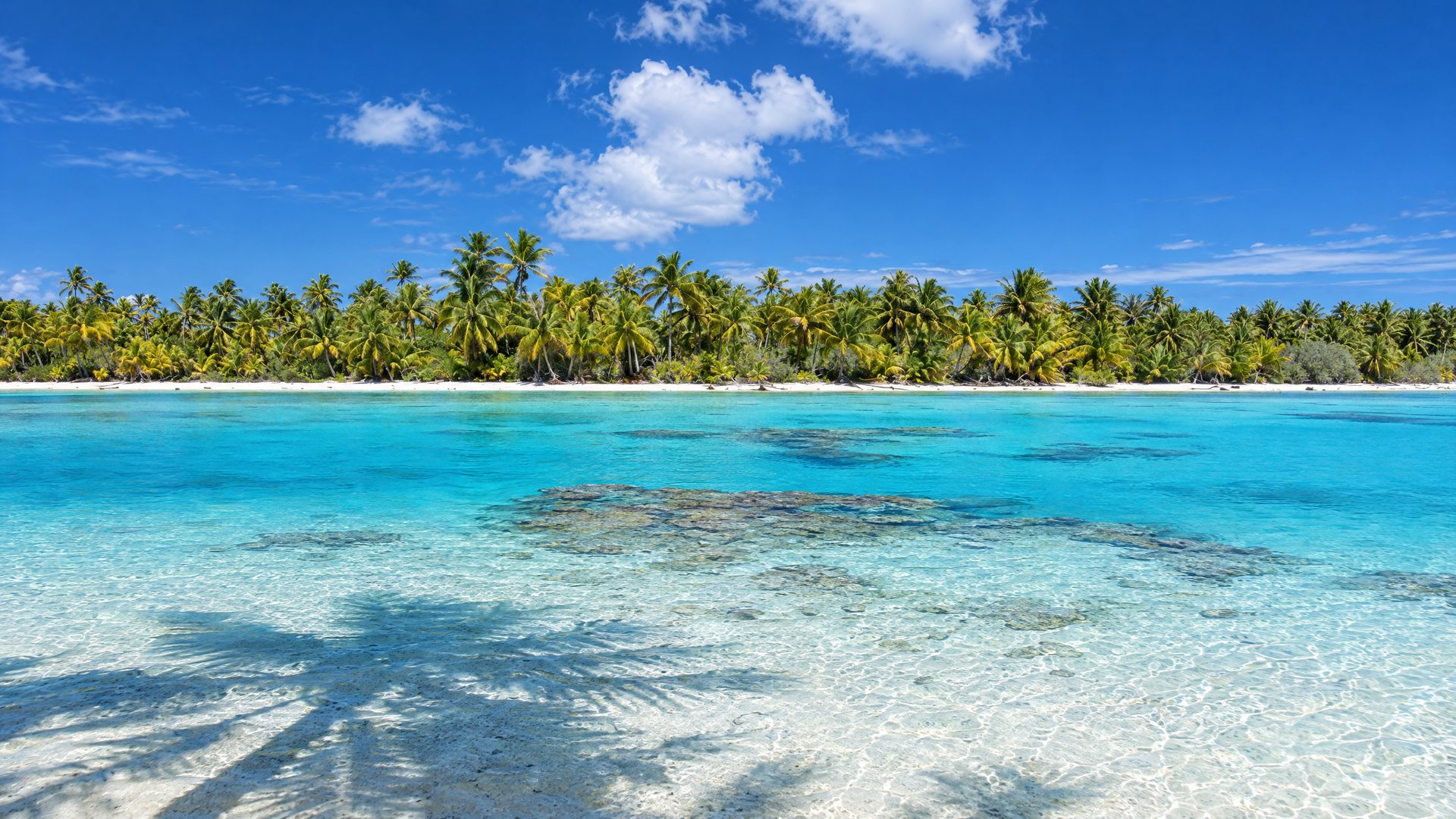
Tuamotu
Fakarava
A UNESCO biosphere reserve with several hundred grey reef sharks in its south pass.
Open the island guide