Explained
The mutineers'
fort.
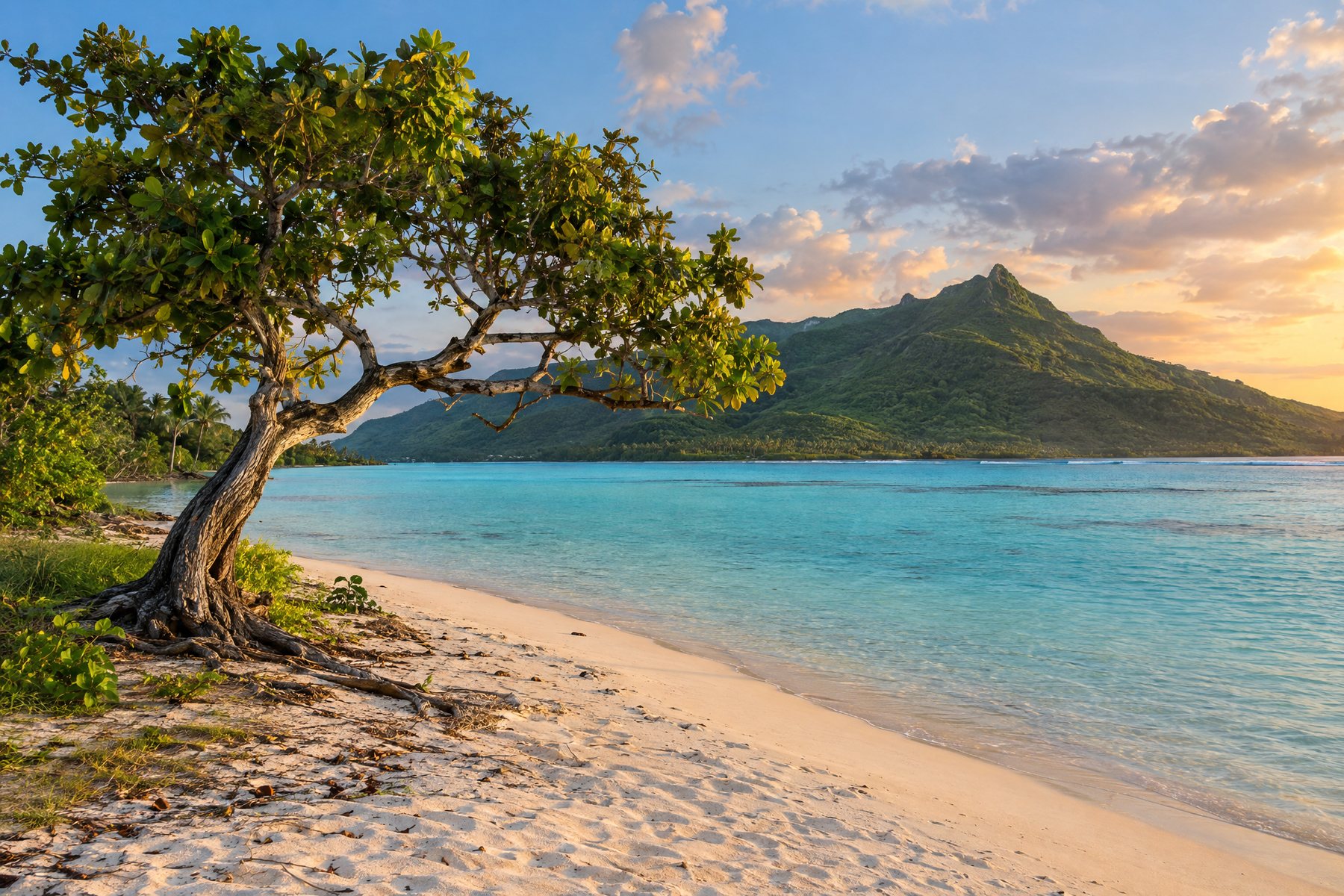
After taking the Bounty in April 1789, Fletcher Christian tried to settle on Tubuai. The mutineers built a fort, fought the islanders, and left within months for Pitcairn.
Tubuai's north shore
The Bounty had spent five months at Tahiti collecting breadfruit seedlings for the West Indies. Three weeks after leaving, on 28 April 1789, Fletcher Christian and part of the crew seized the ship and set Captain Bligh and eighteen men adrift in the launch. The mutineers needed somewhere to hide, and Tubuai, 640 km south of Tahiti and off the usual tracks, was the first choice.
01 · What happened
Fort George.
The Bounty reached Tubuai at the end of May 1789. Christian went back to Tahiti for livestock, Tahitian men and women, and returned in June to build a settlement. At Taahuaia on the north coast the mutineers dug a ditch and raised earth walls round a square they named Fort George, after the king they had just betrayed, with the ship's guns at the corners. The islanders, who had not been consulted, resisted; there was fighting with deaths on the Tubuai side; and the mutineers themselves split.
In September 1789 they abandoned the fort and sailed back to Tahiti. Sixteen stayed there, to be arrested when the Pandora arrived in 1791. Christian and eight others, with Tahitian companions, sailed on and found Pitcairn in January 1790, where the Bounty was burned. The site of Fort George has stayed in the same family since. The Association Bounty Fort George opens it for guided visits during school holidays, with six museum panels, display cases and an orientation table on the old chiefdoms.
Related
Related pages.
Australs
Tubuai
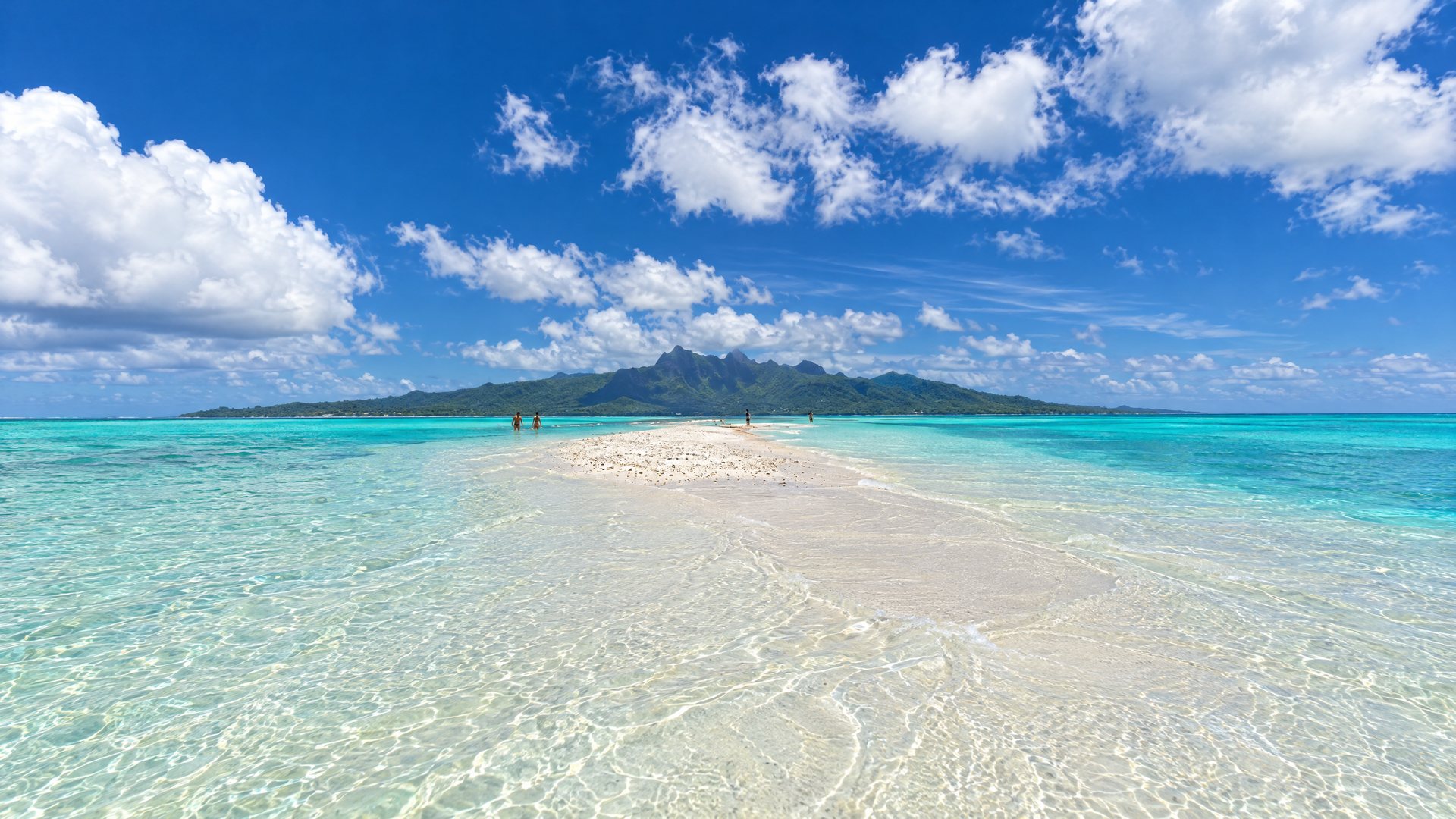
A farming island with a wide, windy lagoon, eight motu and the site of the Bounty mutineers' fort.
Open the island guide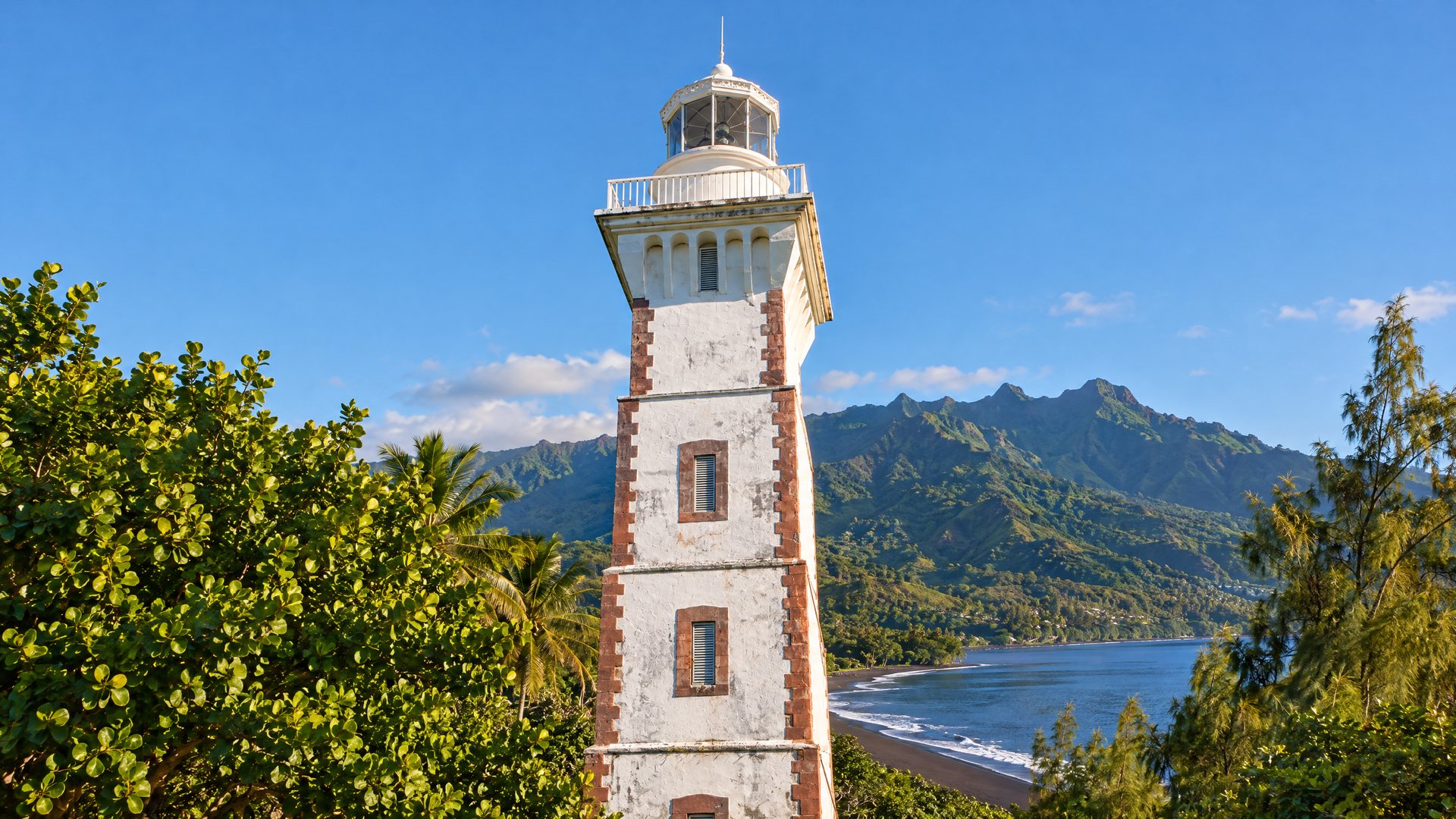
Culture
History
Contact and what followed.
Read more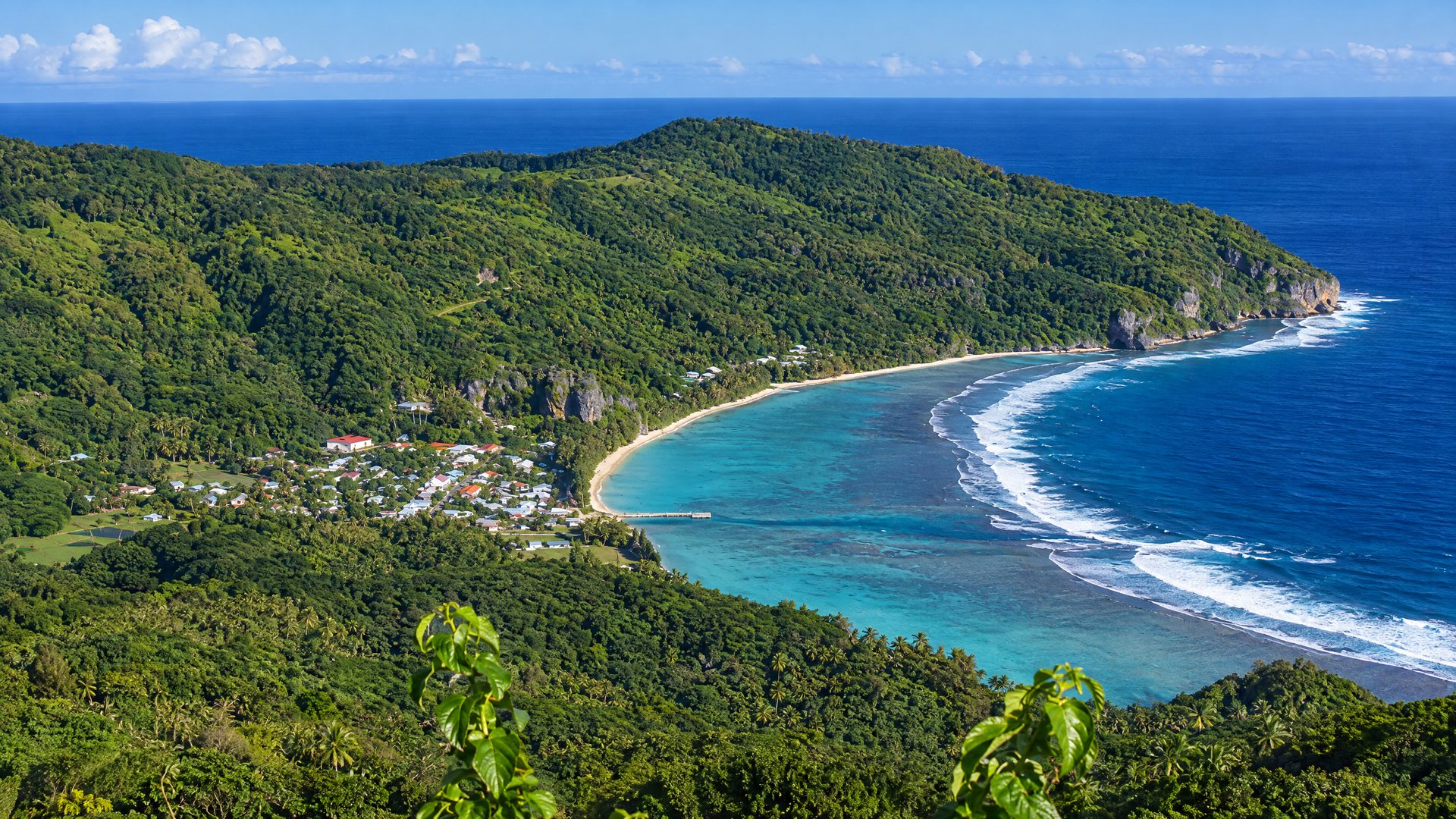
Australs
Rurutu
Limestone cliffs with caves, taro valleys, and humpback whales close to shore from July to October.
Open the island guide
Society Islands
Tahiti
The capital island: Papeete's market, the museum, the interior valleys and Teahupo'o.
Open the island guide